For anglers across Idaho, the annual return of the majestic Chinook salmon is more than just a fishing season; it’s an eagerly anticipated event, a time when vacations are strategically planned and angling dreams are pursued with fervent passion. Revered throughout the western states, the Chinook, also known as King salmon, commands such high esteem due to its impressive size, the formidable battle it puts up against any angler, and its exceptional quality on the dinner table. These magnificent fish represent the pinnacle of freshwater sportfishing for many.
The Chinook salmon that make their arduous journey back to Idaho’s pristine waters are categorized into three distinct groups, or “runs” – spring, summer, and fall Chinook. This classification is based on the specific period during which they commence their upstream migration from the Pacific Ocean, driven by the primal urge to return to their natal streams to spawn and perpetuate their lineage. While the majority of these returning giants typically range in weight from a respectable 12 to 20 pounds, the allure of landing a truly colossal specimen, often exceeding the coveted 30-pound mark, keeps anglers casting with unwavering hope each year. The staggered timing of these Chinook runs provides a prolonged window of fishing opportunity in Idaho, often stretching from the early days of May well into the heart of October, allowing anglers ample time to intercept these powerful migrants.
However, the management of Chinook salmon fishing in Idaho is a dynamic process, with seasons and regulations established on an annual basis. This yearly adjustment is necessitated by the significant fluctuations in the number of Chinook salmon that successfully return to Idaho’s rivers and streams each year. A multitude of factors intricately influence these return numbers, including ocean conditions, water flows, passage success at dams along their migratory routes, and the overall health of the spawning populations. Consequently, Idaho Fish and Game biologists meticulously monitor these factors to ensure that enough fish are collected for crucial spawning efforts, safeguarding the future of the species. Simultaneously, they strive to provide diverse communities across the state with equitable opportunities to harvest these prized fish, balancing conservation needs with recreational and cultural values. To navigate the often-complex landscape of Chinook salmon fishing regulations, anglers are strongly encouraged to consult the official Idaho Fish and Game Seasons and Rules page. This invaluable resource provides detailed maps of each designated fishing zone, outlining specific regulations, season dates, and any special rules that may be in effect for a particular area or run. Understanding these regulations is not only crucial for responsible angling but also ensures compliance with conservation efforts aimed at sustaining healthy Chinook salmon populations for generations to come.
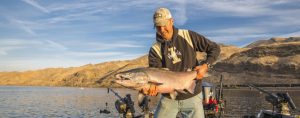
The pursuit of Chinook salmon in Idaho is an experience unlike any other. These fish are renowned for their incredible strength and stamina, often engaging anglers in lengthy and demanding battles that test both their tackle and their resolve. The initial strike can be electrifying, followed by powerful runs and headshakes that leave anglers with aching arms and unforgettable memories. Beyond the thrill of the fight, the satisfaction of landing a beautiful Chinook salmon, with its vibrant colors and impressive size, is deeply rewarding. And for those who choose to harvest their catch responsibly within the legal limits, the exceptional table fare that Chinook salmon provide is a true culinary delight, their rich, flavorful flesh a testament to their life spent in the nutrient-rich waters of the Pacific.
Different techniques can be employed to target Chinook salmon in Idaho’s rivers, often varying depending on the time of year, water conditions, and the specific location. Early in the spring run, when water temperatures are cooler, techniques such as slow trolling with large plugs or baitfish imitations in deeper sections of the river can be effective. As the water warms and the fish progress further upstream, methods like back-bouncing roe or artificial baits in faster-moving water near spawning areas become popular. During the summer and fall runs, anglers might also employ techniques like casting large spinners or spoons in areas where Chinook are staging or actively moving through. Understanding the nuances of each run and the corresponding fish behavior is key to maximizing success. Local knowledge and advice from experienced anglers or tackle shop staff can be invaluable in deciphering the most productive techniques for a given time and place.
The allure of Chinook salmon fishing in Idaho extends beyond just the act of catching fish. It’s deeply intertwined with the stunning natural beauty of the state’s rivers and landscapes. Anglers often find themselves immersed in breathtaking scenery, surrounded by towering mountains, lush forests, and the sounds of rushing water. The pursuit of these magnificent fish becomes an opportunity to connect with nature, to experience the rhythm of the seasons, and to appreciate the incredible journey these salmon undertake. It’s a tradition passed down through generations, a shared passion that brings people together and fosters a deep respect for the natural world. As anglers eagerly await the next Chinook run, they are not just anticipating a fishing trip; they are anticipating an experience that embodies the spirit of the Idaho wilderness and the enduring appeal of one of the West’s most prized sport fish.
Image/Source: idfg