As post-spawn season wraps up, many anglers assume it’s time to head offshore in search of deeper, cooler waters where recovering bass are expected to migrate. While that’s certainly where many fish go, it’s also where most anglers end up—creating high-pressure situations on already wary fish. Shifting attention to the shallows, however, can offer less competition and more opportunity.
A perfect example of successful offshore anticipation came from Jacob Wheeler’s recent MLF Bass Pro Tour victory at Lake Guntersville. Rather than fishing for what was currently biting, Wheeler positioned himself for where bass would move to next. His forward-thinking strategy brought in a six-figure win. But what works for a top-tier pro may not always work for everyone. Offshore fishing often means dealing with heavy boat traffic and pressured fish. Meanwhile, the shallows remain a viable and often overlooked option.
Why Stay Shallow?
Despite the seasonal migration, a notable number of bass remain shallow year-round. The advantage here is clear—more water to work with and fewer boats competing for space. During summer, catching shallow bass is still very possible with the right conditions and approach. Overcast skies, a light breeze, or even light rain can significantly improve activity levels among shallow fish. These environmental shifts make them less wary of lures and more prone to chase.
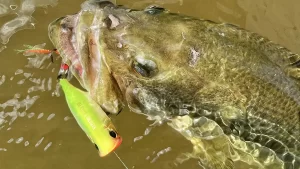
When conditions line up, lures like buzzbaits, spinnerbaits, and poppers become highly effective tools. These options allow anglers to cover a lot of water quickly—a key strategy since bass are more dispersed in summer than during springtime spawns.
Some go-to lure recommendations for shallow summer success include:
-
Scum Frog Trophy Series Painted Frog
-
Duel Hardcore Popper
-
Strike King Skipping Buzzbait
-
Yamamoto Senko
-
Ark Elite Z-Swimmer Jig
Covering water effectively increases the odds of encountering active fish, especially when they are spread thin. Still, there are specific situations when bass concentrate in tight areas.
Where Bass Congregate in the Shallows
Bluegill beds offer a prime example. After bass complete their spawn, bluegill move in to create their own nesting sites—often dozens in a tight area. These zones naturally attract bass looking for an easy meal. It’s common to see small groups of bass (often called “wolfpacks”) cruising these beds, looking to ambush anything that resembles a bluegill. Topwaters and wacky-rigged soft plastics are ideal presentations in these situations.
Localized insect hatches also create short-term feeding frenzies. As bugs fall on the surface, smaller fish begin feeding, creating commotion that draws in larger predators like bass. These feeding chains can build over days, drawing in fish of all sizes and species.
What Keeps Shallow Water Productive
Bass generally prefer deeper water in the summer for two main reasons: higher oxygen levels and cooler temperatures. These factors are especially crucial in regulating their cold-blooded metabolism. But similar conditions can exist in shallow zones, particularly around running water or shaded areas.
Creeks feeding into coves can inject both cooler temperatures and oxygen-rich water, making these areas more favorable than stagnant backwaters. Think of it like an aerated livewell—moving water helps fish “breathe” better. Given the choice between a cove with fresh inflow and one without, the bass will nearly always choose the cooler, oxygenated option.
Don’t Overlook Shade
Shade can be just as important as running water. Docks, overhanging trees, boats, and brush piles all create cooler spots where bass can rest and ambush prey. Even submerged structures like laydowns and boulders provide relief from the sun, even if the shade isn’t always visible from above.
Bass relate to this shade for comfort, just as someone would prefer parking under a tree on a hot day rather than baking in the open. Understanding where shade appears throughout the day—especially during peak sun hours—can offer an edge when fishing shallow.
A Smart Summer Strategy
It may seem logical to follow the crowds offshore when summer hits, but that doesn’t mean it’s the most productive path. Many bass remain shallow, and targeting them means less competition and more enjoyable fishing. Weather plays a big role in success, but even under tough conditions, factors like bait presence, water inflow, and shade can help locate active fish.
The shallows aren’t just a springtime playground. With the right strategy, they can provide steady action all summer long—no crowd required.
Image/Source: Wired2Fish