As the crisp autumn air settles in and water temperatures begin to drop, the fishing landscape transforms. Gamefish like bass and walleye transition from their scattered summer patterns to aggressive feeding sprees, focusing on fattening up before the lean winter months. This period of frenzied feeding, often called the “fall turnover,” makes it a prime time to wield one of the most iconic and effective lures in any tackle box: the Rapala.
Rapala’s legendary balsa wood construction and lifelike action are particularly deadly in cooler, clearer fall waters. Success, however, lies in adjusting your retrieve and lure choice to match the fish’s metabolic slowdown.
1. Slow Down and Embrace the Pause
The most critical adjustment for fall Rapala fishing is slowing down the retrieve. As water temperature falls below , fish become more lethargic. They won’t chase a wildly fast lure.
The Rapala Husky Jerk and Shadow Rap excel in this scenario, as they are suspending jerkbaits. Cast your lure and use a twitch-twitch-pause cadence. On the pause, the lure hangs perfectly still, mimicking a wounded or dying baitfish—an irresistible, easy meal for a predator.
- Cadence is Key: Start with a short pause (2-3 seconds) and gradually increase it. In late fall, as water cools further, don’t be afraid to pause for as long as 10-15 seconds. The strike often occurs when the lure is completely motionless.
- Subtle Twitches: Don’t employ hard, aggressive jerks. Use short, subtle rod-tip twitches to get a gentle darting action, followed immediately by slack line to allow the lure to suspend naturally.
2. Choose the Right Rapala for the Job
While all Rapalas are versatile, specific models shine brightest in the fall:
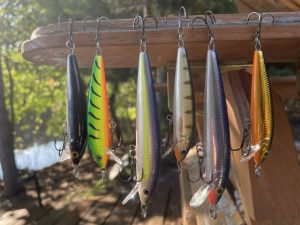
- Shad Rap: The Shad Rap is a secret weapon for cool water. Its tight wobble and balsa body replicate a distressed baitfish with remarkable realism. It’s best retrieved slowly and steadily, often with a subtle pause added in. It excels when bass and walleye are holding in the -foot range.
- Jigging Rap: While often associated with ice fishing, the Jigging Rap is lethal for vertical presentations in the fall. When fish are suspending over deep structure or tightly hugging ledges following a cold front, drop a Jigging Rap down and use short, sharp pops followed by a long pause. Its wide profile provides excellent sonar return, allowing you to “video game” fish precisely.
3. Target Baitfish Movements and Structure
In autumn, gamefish are relentlessly keyed in on migrating schools of baitfish (shad, herring, etc.). Use your Rapalas to intercept these feeding opportunities:
- Follow the Flats: As baitfish move toward shallow, sun-warmed flats in the mid-day, use floating Rapalas or shallow-diving X-Raps to cover water quickly around the edges.
- Deep Points and Ledges: Early mornings or late in the season, fish will stage on deep-water points and ledges. Use deep-diving models like the Deep Tail Dancer or heavier jerkbaits, casting to the ledges and retrieving with a stop-and-go action that contacts the structure.
4. Opt for Natural Colors and Fine Gear
The water is typically clearer in the fall, making fish more discerning. Choose natural, realistic patterns that match the forage in your specific lake or river, such as Live River Shad, Perch, or Silver/Black.
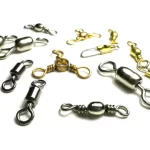
Finally, for the best action and casting distance with these lightweight balsa lures, avoid using large, bulky terminal tackle. Use a small, high-quality snap or tie directly to your line with a loop knot (like a Rapala knot). This ensures the lure’s intended, wide-ranging fall action is maximized, giving you the best chance to draw a strike during that critical, motionless pause. The subtle dance of a Rapala in the cool, clear water is often the difference between a tough day and a trophy catch.
Image: eclecticoutfitter