Winter doesn’t have to mean the end of fishing season. While colder temperatures can keep many anglers indoors, those willing to adapt can enjoy quiet waters, less pressure, and surprisingly productive days on the water. Cold-weather fishing simply demands a shift in approach, a bit more planning, and a strong focus on safety. Here are five practical tips to help make winter fishing both effective and enjoyable.
1. Rethink Your Fishing Locations
Spots that shine in spring and summer may not produce the same results in winter. Changes in water flow, depth, and current can push fish into different holding areas. During colder months, fish often seek slower-moving water where they can conserve energy. Research seasonal patterns in your local waters and monitor current flow conditions before heading out. Avoid areas with fast or unpredictable currents, as they are not only less productive but also more hazardous in winter.
2. Fish Around the Weather
Winter fishing success is closely tied to timing. Fish tend to feed more aggressively just ahead of a cold front and slow down once it passes. Keeping an eye on the forecast can help you plan trips around these windows of activity. Sunny days are especially valuable, as fish often move into slightly warmer, shallower water to take advantage of rising temperatures.
3. Slow Your Presentation
Cold water slows fish metabolism, which means fewer strikes and less willingness to chase food. Instead of constantly moving, focus on thoroughly working a small area. Slow, deliberate presentations give fish more time to react and increase your chances of a bite. Patience is one of the most important winter fishing skills you can develop.
4. Adjust Your Bait Choices
Live bait often outperforms artificial lures in cold conditions because it moves naturally and subtly in the water. Its slower action matches winter feeding behavior and looks more appealing to lethargic fish. If you prefer artificial options, choose lures made with feathers or hair, as they maintain lifelike movement even in frigid water.
5. Put Safety First
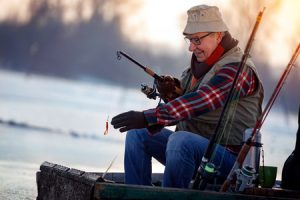
Cold-weather fishing requires extra caution. Dress in layers to stay warm and dry, and protect your hands, feet, and face from heat loss. Always check the weather forecast before heading out and be prepared for changing conditions. Fishing with a partner is strongly recommended, and if you go alone, make sure someone knows your plan and return time.
Winter fishing rewards those who prepare and adapt. Use these tips to stay safe, fish smarter, and enjoy the quieter side of the season.
Image/Source: lawrencebay