Ice fishing has evolved far beyond drilling a hole and hoping for the best. Modern hardwater success is built on preparation, mobility, electronics, and a deep understanding of fish behavior beneath the ice. With constantly advancing technology and ever-changing fish patterns, ice fishing can feel overwhelming, especially for anglers chasing consistent results. To simplify the process, several respected Midwest ice anglers have shared proven strategies that turn long days on the ice into productive ones. By focusing on the three most popular ice species: panfish, yellow perch, and walleyes. These pro tips help anglers fish smarter, not harder.
Panfish: Shallow Water Gold Mines
Bluegills and crappies remain winter favorites, especially when anglers target quality fish rather than numbers. According to panfish expert Sam Sobi, one of the biggest mistakes anglers make is ignoring shallow water in winter. Areas ranging from 4 to 8 feet deep often hold fish all season, especially if food and cover are present.
North-facing bays with healthy green weeds are especially productive. These areas warm slightly faster, support insect life, and often serve as spawning and living zones year-round. Weeds like milfoil and coontail are prime, but any vegetation that remains green can attract fish.
Map study plays a major role in panfish success. Reviewing fisheries surveys and historical data helps identify lakes with strong year classes that have grown into trophy potential. Pair that research with a reliable flasher or underwater camera to spot fish buried in weeds, and shallow panfish fishing becomes far less of a guessing game.
Yellow Perch: Follow the Food
Yellow perch are classic winter targets and one of the most reliable table fish through the ice. Perch behavior revolves almost entirely around food. Whether it’s bloodworms in mud basins, scuds in weeds, or mayflies near rock, perch will always be close to a steady meal source.
Pounding the bottom is an effective tactic when fishing muddy areas or weed edges. Stirring up sediment creates a cloud that attracts curious perch looking for food. Heavier spoons make this technique easier and help call fish in from a distance.
Perch often hold on the outer edges of weed beds, where invertebrates concentrate. Slender-profile baits tipped with waxies or minnow heads, combined with light fluorocarbon line, help trigger bites from both numbers and jumbo fish.
Walleyes: Precision and Aggression
Walleyes are often considered the ultimate ice fishing challenge. Contrary to popular belief, they frequently hold in shallow water during winter, often between 4 and 12 feet. These fish are active predators and will hunt during daylight hours.
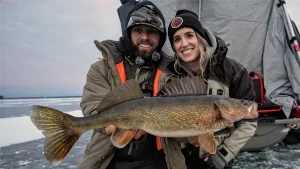
Keeping baits higher in the water column keeps presentations in the strike zone longer. Aggressive jigging is key to drawing walleyes in, especially since ice anglers must bring fish to them rather than casting to targets.
Electronics are critical for consistent walleye success. Using one unit to locate fish and another to fish traditionally helps avoid spooking wary walleyes while still staying on active schools.
Ice fishing success is no longer about luck, it’s about strategy. Apply these pro-level tips, stay mobile, and trust your electronics, and you’ll put more fish on the ice all winter long.
Image/Source: Wired2Fish