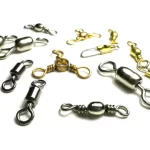
As winter settles in and water temperatures drop, fishing conditions change dramatically. Smaller fish often become less active, but larger predatory species can grow more aggressive in cold water. For anglers willing to brave the chill, this can be one of the best times to land a trophy catch. However, success in winter fishing starts long before the first cast. It begins with making sure every piece of gear is ready, especially the fishing line.
Fishing line is often the weakest link in any setup, yet it is one of the most overlooked. Even high-quality line wears down over time. Exposure to sunlight, heat, and repeated stress can reduce its strength, sometimes without visible damage. Experienced anglers know that checking and replacing fishing line regularly is essential. Many professionals inspect their line before every outing and replace it at the first sign of wear. Casual anglers benefit from changing line at least twice a season, while frequent anglers may need to do so more often.
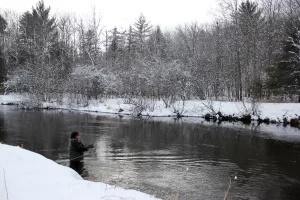
Cold-weather fishing places extra importance on line integrity. A weakened line is far more likely to fail when battling larger, more aggressive fish. Small abrasions caused by rocks, sticks, fish teeth, and even repeated casting can create weak points. These tiny imperfections can significantly reduce strength and lead to break-offs at the worst possible moment.
Routine inspection is a simple but effective habit. Running the first several feet of line between the fingers while applying light pressure can reveal rough spots or nicks. If any irregularities are detected, trimming the damaged section is a quick fix that can prevent lost fish. If line breakage becomes frequent, it may be necessary to check rod guides for hidden damage. Cracked or chipped guide inserts can create sharp edges that silently weaken line over time.
Proper storage also plays a major role in preserving line quality. Fishing gear should be kept in a cool, dark place, away from direct sunlight and excessive heat. Leaving rods in a car trunk or exposed to the elements can accelerate line degradation and reduce reliability.
Responsible anglers also consider how old line is discarded. Fishing line takes a long time to break down and can pose serious risks to wildlife if left behind. Proper disposal or recycling helps protect natural areas for future trips.
Winter fishing offers exciting opportunities, but preparation makes the difference between success and frustration. A strong, well-maintained line ensures that when a big fish strikes, there is nothing holding the angler back.
Image: glangler
Source: landbigfish