From panfish to pike, choosing the correct float can transform an average day on the water into a consistent bite. Dialing in the right bobber isn’t just about keeping bait afloat, it’s about precision, control, and reading subtle strikes that many anglers miss.
Presentation is one of the most important aspects of fishing success. A properly selected float allows anglers to suspend bait at the exact depth fish are holding, keeping it in the strike zone longer. That level of control makes floats one of the most effective tools for targeting species in a wide range of conditions.
Why Bobber Choice Matters
Different fishing scenarios call for different float designs. The size, shape, and weight of a bobber should match the bait and the species being targeted. Larger bait requires a larger float to stay balanced, while smaller offerings demand lighter, more sensitive options.
Using the wrong float can reduce sensitivity or spook fish entirely. Matching the float to the situation ensures better bite detection and a more natural presentation.
Pencil Floats for Maximum Sensitivity
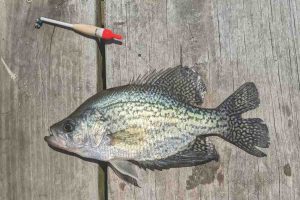
Long, slender pencil floats are some of the most sensitive options available. They offer minimal resistance, making them perfect for detecting light bites from species like crappie or bluegill.
In shallow water, fixed pencil floats excel. They are easy to adjust and ideal for depths under a rod’s length. Pairing them with a lightweight jig allows the float to sit properly and react instantly when a fish bites, often standing upright or tipping over to signal action.
For deeper water, slip floats are the better choice. They allow anglers to fish at virtually any depth while still being easy to cast. This versatility makes them essential for targeting suspended fish.
Pencil floats also shine in wind or current. When drifting, the angle of the float can reveal what’s happening below the surface. A sudden shift upright or a subtle dip often signals a bite.
Balsa vs. Foam Floats
Most traditional floats are made from balsa wood, prized for its durability and aerodynamic casting. Balsa floats come in a variety of shapes and are reliable in most fishing situations.
Foam floats, however, offer incredible sensitivity. They are especially useful in cold conditions since they resist freezing and can be easily adjusted for fine-tuned presentations. Both materials have their place, and many anglers keep a mix of each in their tackle box.
Oval Floats for Distance and Control
Oval-shaped floats are a go-to choice when casting distance matters. Their aerodynamic design allows for longer, more accurate casts, making them popular for targeting species like walleye.
Weighted versions add even more functionality. They help the float sit properly in the water and improve sensitivity, often reacting to the slightest movement. These floats are also effective in rivers, where added stability helps maintain control in moving water.
Lighted floats are another useful option, especially for early mornings, evenings, or night fishing when visibility becomes a challenge.
Fine-Tuning Your Setup
Success with floats isn’t just about the bobber. The right rod, reel, and line all contribute to better performance.
Longer spinning rods help manage line and improve hooksets, especially when fishing at a distance. A smooth reel ensures consistent retrieves and proper line control, while line choice can impact sensitivity and presentation.
Monofilament remains a popular choice due to its slight stretch, which can help prevent pulling hooks free. Fluorocarbon offers durability and faster sinking, while braided line is less common for float fishing because it lacks forgiveness.
Modern electronics can also play a role. Locating fish and determining their depth removes much of the guesswork, allowing anglers to set their float precisely where fish are feeding.
Read the Float, Catch More Fish
One of the biggest advantages of float fishing is the ability to “read” what’s happening underwater. A bobber doesn’t always disappear when a fish bites. It may tilt, stand upright, or sink slightly, all signs that something is happening below.
Next time the bite gets tough, don’t just change spots, change your float. Experiment with different shapes, sizes, and setups until the presentation is dialed in. Keep a variety of bobbers in your tackle box and pay close attention to how they react on the water. Mastering float selection is a simple adjustment that can lead to more bites, more hook-ups, and ultimately, more fish in the net.
Image/Source: gameandfishmag