The pre-spawn period is one of the most productive and exciting times of the year for bass fishing. As late winter transitions into spring, bass become more aggressive, feed heavily, and begin moving toward shallow spawning areas. This combination creates prime opportunities for anglers across the country.
What Is the Pre-Spawn?
The pre-spawn is the phase leading up to the spawning season and can be divided into two stages: early pre-spawn and immediate pre-spawn.
During the early pre-spawn, bass leave their winter holding areas and begin migrating toward protected waters such as creeks, bays, and coves. Along the way, they stop at mid-depth structures and cover to rest and feed.
The immediate pre-spawn occurs just before spawning begins. Bass move closer to their eventual bedding areas and often hold in relatively shallow water. Depth varies depending on species and location. Largemouth may stage in just a few feet of water, while smallmouth in northern fisheries can remain deeper near rocky structure.
Understanding Bass Behavior
Pre-spawn bass are focused on feeding and building energy reserves. Once spawning begins, feeding activity decreases significantly, making this window especially important for targeting larger fish.
During this time, bass often position near ambush points such as rocks, drop-offs, and vegetation. They may also group together to chase baitfish, increasing feeding efficiency. This aggressive behavior makes them more likely to strike a variety of lures.
Where to Find Pre-Spawn Bass
Locating bass during the pre-spawn requires attention to both structure and movement patterns.
In the early stage, focus on areas near the mouths of creeks and bays. Look for suspended fish chasing baitfish, as well as bass holding along channel swings, points, humps, and submerged timber.
As the immediate pre-spawn begins, bass shift closer to spawning grounds. Key areas include shallow flats with nearby cover such as stumps, dock posts, boulders, and vegetation. Submerged grass and weed beds are especially productive, providing both cover and feeding opportunities.
Consistent vegetation lines can make it easier to identify patterns, as bass often hold at similar depths throughout a fishery.
Best Lures and Techniques
Lure selection should match the depth and behavior of the fish.
In early pre-spawn conditions, when bass are deeper or suspended, effective options include jerkbaits, umbrella rigs, underspins, and jighead minnows. For bottom-oriented fish, football jigs, shaky heads, finesse jigs, and Ned rigs work well.
As bass move shallower, power fishing techniques become more effective. Spinnerbaits, ChatterBaits, swim jigs, squarebill crankbaits, and lipless crankbaits are excellent choices. These lures cover water quickly and trigger reaction strikes.
Fishing around vegetation can be especially productive. Ripping a lipless crankbait free from grass or pausing a lure after it clears cover often provokes aggressive strikes by mimicking injured prey.
Species-specific tactics can also improve results. Smallmouth respond well to hair jigs, tubes, and jerkbaits, while spotted bass are often caught using shaky heads and finesse presentations.
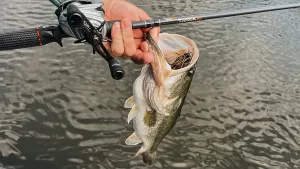
The pre-spawn offers one of the best chances to catch larger bass, as fish are actively feeding and at peak weight before spawning. Success comes from understanding seasonal movement, targeting key staging areas, and adjusting lure selection based on depth and cover.
Image/Source: Wired2Fish