Fishing gear tends to multiply quickly. Lures, hooks, weights, tools, and accessories can pile up faster than expected, which is why a good tackle box becomes an essential piece of equipment. The right tackle box keeps gear organized, protected, and easy to access when fish start biting.
With so many styles and features available, selecting the right tackle box can feel confusing at first. Understanding the main types, materials, and features helps narrow down the options and makes the decision much easier.
Common Types of Fishing Tackle Boxes
Different fishing styles often call for different tackle storage solutions. The three most common types of tackle boxes each offer unique advantages.
Soft Tackle Boxes
Soft tackle boxes are typically made from fabric or nylon. These boxes are lightweight and flexible, which makes them easy to carry for anglers who move around frequently. Many come with shoulder straps and removable utility trays, making them convenient for bank fishing, kayak fishing, or long walks to remote spots.
Hard Tackle Boxes
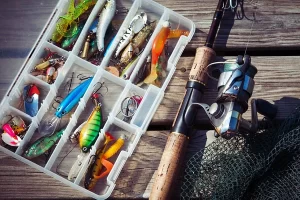
Hard tackle boxes are usually made from plastic or metal and are known for durability. These boxes often feature multiple trays and compartments that allow anglers to neatly organize lures, hooks, sinkers, and other small items. For anglers who want strong protection and long-term storage, hard tackle boxes remain a popular option.
Tackle Bags
Tackle bags combine the flexibility of soft tackle boxes with some of the structure and protection of hard cases. These bags usually include removable utility boxes and additional pockets for tools and accessories. Many anglers appreciate tackle bags because they offer both storage capacity and portability.
Materials and Durability
The material used to build a tackle box affects how well it holds up over time. Plastic tackle boxes are common because they are affordable and resistant to water. Higher-quality plastics and reinforced designs provide better durability for frequent use.
Metal tackle boxes offer excellent strength but are typically heavier. Many anglers prefer modern reinforced plastic models that balance durability with lighter weight.
Choosing a sturdy tackle box helps protect gear from impacts, moisture, and repeated use during fishing trips.
Choosing the Right Size
Size matters when it comes to tackle storage. Some anglers prefer compact boxes that carry only a handful of proven lures. Others bring a wide selection of gear for different fishing conditions.
A smaller box works well for short trips or minimalist setups. Larger boxes are better suited for boat anglers or those who carry a wide variety of tackle. The goal is to choose a size that keeps gear organized without becoming overly heavy or cluttered.
Organization Features
A well-organized tackle box saves time on the water. Instead of digging through a pile of gear, anglers can quickly find the lure or hook needed for the moment.
Useful organization features include:
-
Adjustable compartments
-
Removable trays
-
Utility boxes for separating tackle
-
Side pockets for tools and accessories
These features allow anglers to keep lures, hooks, weights, and other items neatly arranged and easy to reach.
Water Resistance
Fishing often involves wet environments, so water resistance is an important feature. A tackle box with tight seals or water-resistant materials helps protect gear from rain, splashes, and accidental drops.
Keeping tackle dry helps prevent rust and extends the life of hooks, swivels, and other metal components.
Weight and Portability
Portability becomes especially important when fishing from shore or hiking to remote locations. Lightweight tackle boxes or bags are easier to carry over longer distances.
Many modern tackle systems include handles, shoulder straps, or backpack-style designs that make transportation more comfortable.
Maintenance Tips
Taking care of a tackle box helps extend its lifespan. After each trip, it helps to wipe down the box and remove any moisture or debris. Storing tackle boxes in a cool, dry location reduces the chances of rust and damage.
Regularly checking compartments, hinges, and latches also helps catch small issues before they become bigger problems.
Security Features
Some tackle boxes include locking mechanisms that add extra security. These features can be useful when storing expensive gear or when young children have access to fishing equipment.
Simple locking designs help keep hooks and sharp tools safely contained.
Choosing for the Season
Different fishing seasons sometimes require different gear setups. Ice fishing, summer bass fishing, and saltwater trips may all require different lures and equipment.
Many anglers keep separate tackle boxes prepared for specific seasons or fishing styles. This makes it easier to grab the right gear without reorganizing everything before every trip.
Thinking About the Environment
Responsible anglers often look for ways to reduce environmental impact. Some tackle boxes are now made with recycled materials or designed for long-term durability.
Keeping tackle organized also reduces the chance of losing gear in the water, which helps protect aquatic environments.
A tackle box may seem like a simple piece of equipment, but it plays a major role in keeping fishing trips organized and efficient. The right tackle box protects valuable gear, keeps essential items easy to reach, and helps anglers stay focused on the water.
By considering factors such as size, durability, organization, and portability, anglers can find a tackle box that fits their fishing style and helps make every trip a little smoother.
Image/Source: huntingcase