A routine fishing trip in one of the world’s most volatile waterways quickly turned into a stark reminder of how closely everyday life and global conflict can intersect.
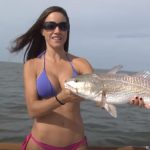
The outing began under calm conditions in the Strait of Hormuz, a narrow but critically important passage linking the Persian Gulf to the open ocean. The sea was flat, the weather warm, and the fishing started strong. On the very first drop, a powerful strike produced a large grouper, followed by several other species unfamiliar to visiting anglers.
For a time, the trip felt like any other offshore excursion. The region is known for its rich marine life, and despite its geopolitical reputation, the fishing can be productive and diverse.
That illusion did not last.

On the return journey toward port near Abu Dhabi, signs of tension emerged. A plume of smoke rose in the distance, followed by the unmistakable sight of missiles streaking across the sky. The atmosphere shifted instantly from relaxed to uncertain.
Back on land, the unease continued. Helicopters scanned the skyline, rumors circulated, and distant explosions could be heard. What had started as a recreational fishing trip ended with a hurried retreat to safety.
A Fishing Trip in a Global Flashpoint
The experience highlights the unique reality of fishing in this region. The Strait of Hormuz is not just another body of water—it is one of the most strategically significant waterways in the world. Roughly a quarter of global seaborne oil and a large share of liquefied natural gas pass through this narrow corridor each year.
Because of this, the area is frequently at the center of geopolitical tension. Military presence, surveillance, and occasional conflict are part of the landscape. Even routine activities like fishing charters operate alongside this high-stakes environment.
The Contrast Between Nature and Conflict
What makes the story compelling is the sharp contrast between the natural experience of fishing and the surrounding instability. Moments earlier, the focus was on technique, species, and the thrill of landing a strong fish. Minutes later, attention shifted to safety, uncertainty, and global events unfolding in real time.
This duality is not unique to this trip. In regions like the Strait of Hormuz, everyday life often unfolds against a backdrop of geopolitical risk. Fishing boats share waters with tankers, patrol vessels, and military aircraft, creating an environment unlike most recreational fisheries.
Lessons Beyond Fishing
The trip underscores a broader point: location matters, not just for fishing success, but for safety and awareness. Anglers traveling internationally or fishing in politically sensitive areas must consider more than weather and water conditions. Understanding regional stability, current events, and local regulations is just as important as choosing the right gear.
At the same time, the experience reflects the universal appeal of fishing. Even in one of the most strategically tense waterways on earth, people still seek out the simple enjoyment of being on the water, chasing fish, and sharing time with others.
Fishing in the Strait of Hormuz offers both opportunity and unpredictability. The waters hold impressive fish and unique experiences, but they also sit at the crossroads of global tension.
Planning a fishing trip in unfamiliar or high-risk areas? Research the region, stay aware of current events, and always prioritize safety alongside the pursuit of great fishing.
Image/Source: spectator