As summer fishing heats up, having a well-organized tackle box can be the difference between landing trophy catches and missing bites while fumbling for gear. Whether chasing bass at dawn or targeting panfish from the dock, staying prepared and clutter-free is key to a productive day on the water.
Why Summer Fishing Demands Better Tackle Organization
Summer fishing conditions are fast-changing. Water temperatures rise, fish patterns shift, and anglers often switch techniques midday. Quick access to topwater baits, soft plastics, or weight changes is critical when the bite window is short. A streamlined tackle box setup ensures time is spent casting, not searching.
Step 1: Start with a Clean Slate
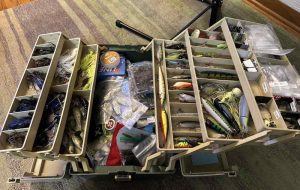
Before loading up for the season, empty the tackle box completely. Sort through every lure, hook, and weight. Toss rusted items or melted plastics. Clean compartments with warm soapy water to remove salt, grit, or fish scent build-up from spring outings.
Step 2: Sort by Target Species and Technique
Group tackle based on the fish species typically targeted in summer. For instance:
-
Bass anglers may want separate compartments for topwaters, crankbaits, jigs, and finesse worms.
-
Panfish enthusiasts should sort floats, tiny jigs, and live bait hooks for easy access.
-
Catfish chasers might dedicate space for circle hooks, stink bait, and sinkers.
This species-specific method eliminates guesswork and speeds up tackle changes when conditions shift.
Step 3: Label Compartments and Use Inserts
Use small dividers or labeled tackle trays to stay organized. Many modern tackle boxes offer customizable trays with removable sections. Labeling each section (e.g., “Drop Shot Weights,” “2/0 Worm Hooks”) allows for fast retrieval, especially during competitive tournaments or early morning bites.
Step 4: Keep Summer-Specific Gear on Top
Topwater frogs, buzzbaits, spinnerbaits, and swimbaits are summer must-haves. Keep them in the most accessible sections. Since warmer water encourages aggressive feeding, be ready to swap baits quickly when surface activity picks up.
Step 5: Include Essentials and Emergency Gear
Along with lures and hooks, your summer-ready tackle box should include:
-
Extra line or leader material
-
A compact first-aid kit
-
Pliers, line cutters, and hook removers
-
Sunscreen packets and insect repellent wipes
-
A backup spool of fluorocarbon or braid
These additions ensure both safety and adaptability when fishing far from shore.
Bonus Tip: Use a Soft Tackle Bag for Shore Trips
For bank or kayak fishing, consider transferring essentials into a compact soft tackle bag. It’s lighter, more portable, and ideal for moving from spot to spot. Pick one with external pockets for water bottles or quick-grab tools.
Stay Seasonal, Stay Organized
As summer progresses, regularly review and update your tackle. Switch out early summer lures for late-season patterns like deep-diving crankbaits or finesse rigs. Staying organized not only saves time—it boosts confidence, performance, and results.
Image: bassresource