Carp fishing is a nuanced sport that requires strategy, patience, and the right gear. If you’re new to carp fishing or looking to improve your skills, here’s a detailed guide to get you started.
Understanding Carp Behavior
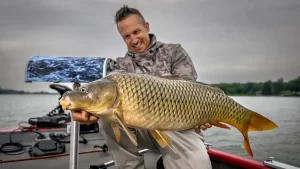
Carp are omnivorous bottom-feeders with a highly developed sense of smell and taste. They root around in soft sediment for invertebrates, aquatic vegetation, and sweet treats like corn. However, they’re not dumb and can adapt quickly to heavily pressured waters. To catch carp, it’s essential to understand their seasonal habits, preferred environments, and feeding patterns.
- In spring, carp move into shallows to spawn and feed.
- Summer sees them hanging around warm flats, backwaters, and weedbeds.
- By fall, they’re bulking up for winter and feeding heavily, especially during warm spells.
- Winter fishing is possible but much slower and better suited for diehard carp anglers.
Finding Carp
Finding carp is half the battle. They tend to concentrate around food, shelter, and soft bottoms they can root through. Look for:
- Flats near creek mouths
- Coves with submerged vegetation
- Slow-moving current breaks in rivers
- Signs of carp activity, such as “mudding” or the telltale back or tail breaking the surface in shallow water
Baiting Strategies
While carp love corn, it’s essential to up your bait game to consistently target and catch big carp. Some effective options include:
- Boilies: dense, flavored dough balls that release scent and flavor in the water
- Tiger nuts
- Chickpeas
- Bread
- Flavored dough balls with sweet or spicy scents
- Pre-baiting: chumming your spot with bait for a day or two before fishing to create a safe, reliable food source
Terminal Tackle
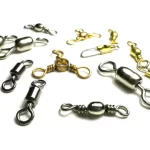
The hair rig is a game-changer in carp fishing. It works by attaching the bait to a short length of line that extends just beyond the hook, reducing deep hooking and increasing hookup rates. Use:
- A size 4 to 8 wide-gap hook
- A braided hooklink
- A lead clip system
- A 1- to 3-ounce flat or inline lead
- A baitrunner spinning reel with a sensitive tip or bite alarm system
Rods, Reels, and Line
Carp are bruisers, and you need gear that can absorb shock and apply serious pressure. Look for:
- A 10- to 12-foot rod with a test curve of 2.5 to 3.5 pounds
- A baitrunner reel spooled with 12- to 20-pound monofilament or 30- to 50-pound braid
- A fluorocarbon leader for added abrasion resistance in thick cover
The Long Game
Carp fishing requires patience and confidence in your setup. Don’t be discouraged if the bite’s not happening – try switching up your bait size, flavor, or location. With the right gear and strategy, you’ll be catching carp in no time.
Get Started Today!
Ready to put these tips into action? Grab your gear, find your spot, and start fishing! If you’re looking for more information or want to share your carp fishing experiences, join the conversation in the comments below.
Image/Source: Wired2Fish