There is a time to fish fast and a time to slow everything down. Winter is firmly in the second category. When water temperatures plunge and bass metabolism follows, aggressive retrieves often fall flat. This is when deadsticking shines—a patient, deliberate approach that keeps a bait in the strike zone long enough to tempt even the most tight-lipped bass.
Deadsticking doesn’t mean doing nothing; it means doing less. Whether it’s crawling a bait inches at a time or letting it rest motionless on the bottom, this technique is built around one principle: give bass an easy meal when they are unwilling to chase.
Understanding Winter Bass Behavior
As water temperatures drop, bass become far less inclined to roam. Instead of actively hunting, they set up in areas where food is likely to pass by. Points, ledges, and subtle depth changes become prime locations, especially where deeper water sits close to feeding zones.
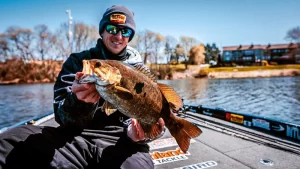
Bass often position themselves just behind or alongside points, holding in deeper water while watching above them. From there, they can ambush prey that drifts within reach without expending much energy. This behavior makes deadsticking particularly effective, as a bait left in place mimics an easy opportunity rather than a fleeing target.
At its core, deadsticking is exactly what it sounds like: allowing a lure to sit still on the bottom for extended periods. That lack of movement can be the trigger inactive bass need.
Deadstick Presentations That Produce
The most effective deadstick presentations share one key trait—they keep the bait in the strike zone for as long as possible. When a lure lingers in front of a bass, curiosity often replaces caution. Eventually, even a sluggish fish may move in to inspect, and then strike.
The Carolina Rig Approach
One of the most reliable winter deadsticking methods is the Carolina rig. This setup allows the bait to stay close to the bottom while creating subtle disturbance.
By casting the rig and slowly dragging it without fully lifting it off the bottom, the weight stirs up silt, imitating a crawfish or bottom-dwelling forage. Once the bait reaches a productive area, letting it sit can be deadly.
Carolina rig setup tips:
-
Use a heavier weight, typically 1/2- to 3/4-ounce brass or tungsten.
-
Pair it with a finesse soft plastic that still moves subtly at rest.
-
Stickbaits like Zoom Fluke Sticks, 4-inch Yamamoto Senkos, or Lake Fork Ring Frys excel in this role.
The heavier weight keeps the bait where winter bass are holding, while the plastic does the rest.
Leader Length Matters
Water clarity plays a major role in leader selection. In stained water, an 18-inch fluorocarbon leader is often sufficient. In clear water, extending the leader to 24–30 inches can make a noticeable difference by giving the bait a more natural look.
Dragging and Deadsticking a Jig
A jig is another excellent option for winter bass, especially when dragged slowly along the bottom. Once the jig enters the strike zone, stopping it entirely can prompt a reaction from even the laziest fish.
Choosing the right jig weight is critical. The goal is to keep the profile compact while still maintaining bottom contact. Most situations call for a 3/8- or 1/2-ounce jig.
Trailers allow for easy adjustments:
-
Larger chunks or creature baits create a bulky profile when bass want a bigger meal.
-
Smaller chunks or double-tail grubs work better when fish are especially finicky.
That flexibility makes the jig one of the most versatile deadsticking tools available.
Soaking a Senko in Cold Water
“Soaking a Senko” has become almost legendary for tough conditions, and winter is no exception. This method involves Texas-rigging a soft plastic stickbait and letting it sink naturally before allowing it to sit.
Most of the time, weightless works best, but adding a small 1/32- to 1/16-ounce tungsten weight can help reach deeper targets. After the bait settles, only minimal slack is reeled in before letting it rest again.
This technique excels around cover such as laydowns, brush piles, docks, and fish cribs—places where bass can hold tight and wait.
Senko size can be adjusted based on preference:
-
4-inch for finesse situations
-
5-inch as the standard
-
6-inch when bass want a larger profile
A strong, reliable worm hook ensures solid hooksets even with minimal movement.
Boat Control: The Hidden Key to Deadsticking
Deadsticking demands precision, and boat control plays a massive role. Wind or current moving the boat causes the bait to move as well, defeating the purpose of a motionless presentation.
Modern boat control tools make this approach far more effective. Shallow water anchors help lock down position in flats or around docks, while spot-lock features allow precise positioning over offshore structure. Small adjustments can be made without pulling the bait out of the strike zone.
A Winter Technique Worth Embracing
Deadsticking requires patience, but the payoff can be significant. When winter conditions make bass reluctant to chase, slowing down and letting a bait do nothing can be the most productive move available.
Cold water rewards anglers willing to wait. By focusing on key locations, maintaining precise boat control, and trusting deadstick presentations, winter bass fishing becomes less about covering water and more about letting the fish come to the bait on their own terms.
Image/Source: Wired2Fish