When fishing season winds down and temperatures start to drop, attention often shifts to ice fishing or winter projects. Meanwhile, fishing rafts are sometimes rolled up and forgotten until spring. Proper winter storage, however, plays a major role in how well a raft performs next season—and how long it lasts overall.
Start with a Deep Clean
Before storing a fishing raft, clean it thoroughly. Dirt, algae, sand, and fish residue can break down materials over time if left untreated. Use mild soap and fresh water, paying close attention to seams, valves, and hard-to-reach areas. Avoid harsh cleaners that could damage coatings or fabric.
Dry It Completely
Moisture is the biggest enemy during winter storage. Even small amounts of trapped water can lead to mold, mildew, or odor. Allow the raft to air dry fully, including under seats, around valves, and inside folds. This step alone can prevent most off-season issues.
Inspect and Repair Early
Winter is the best time to handle small repairs. Inspect seams, inflation chambers, and attachment points for wear or damage. Patch small leaks now rather than discovering them on the first warm day of spring. Repair kits work best in controlled, dry environments.
Deflate with Care
Rafts should be deflated partially, not crushed flat. Leaving a small amount of air helps reduce stress on seams and prevents sharp folds. Avoid tightly rolling or creasing the raft, as repeated hard bends can weaken materials over time.
Choose the Right Storage Location
Indoor storage is ideal. A garage, basement, or shed that stays cool and dry offers the best protection. Avoid areas with extreme temperature swings or direct sunlight, which can degrade fabrics and adhesives.
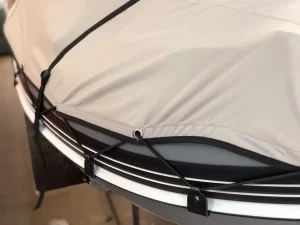
If indoor storage isn’t available, elevate the raft off the ground and use a breathable cover. Avoid plastic tarps that trap moisture and encourage condensation.
Protect from Rodents
Stored rafts can attract rodents looking for nesting materials. Store rafts in sealed bags or containers when possible, and keep them away from food sources. Rodent damage is one of the most common offseason issues.
Store Accessories Separately
Remove oars, frames, anchors, and electronics before storage. Clean and dry them individually. This prevents unnecessary pressure on the raft and makes spring setup faster and easier.
Check Periodically
If possible, inspect stored rafts once or twice during winter. Look for moisture buildup, pests, or shifting folds. Small adjustments now can prevent long-term damage.
Proper winter storage protects both performance and investment. A well-maintained fishing raft rewards anglers with fewer repairs, better reliability, and more time on the water when the season returns. Taking care of gear during the offseason ensures that spring starts with confidence, not complications.
Image: navigatorboat