Ice anglers are a special breed. They willingly brave frozen lakes, stiff winds, and numb fingers for the chance at a few good fish. That dedication alone earns respect, but passion does not automatically translate into success. Plenty of anglers love ice fishing and still struggle to put fish on the ice.
Winter fish behave differently than their warm-water counterparts. Metabolism slows, feeding windows shrink, and small details matter more than ever. Understanding a few key factors can dramatically improve results and turn a slow day into a productive one. Here are five areas every hardwater angler should pay attention to.
Barometric Pressure Matters More Than You Think
Barometric pressure has long been a favorite topic among old-timers, and for good reason. While it may sound like superstition, patterns quickly emerge when fishing success is tracked alongside pressure changes.
High pressure usually arrives with bluebird skies and stable weather, conditions that often make fish sluggish and unwilling to bite. Low pressure, especially when a storm is approaching, tends to trigger feeding activity. The best bite often happens right before or during a significant pressure shift.
Modern anglers have it easy. Barometer apps are readily available and inexpensive, making it simple to plan trips around favorable conditions. Checking pressure trends before heading out can help anglers fish during the most productive windows instead of guessing.
Location Is Never Permanent
One of the most common mistakes in ice fishing is assuming yesterday’s hotspot will still produce today. Fish move constantly in winter, often reacting to pressure, noise, and fishing traffic.
Crowds can quickly shut down a good area. When shanties cluster together, fish often become wary or slide away entirely. Staying mobile and keeping distance from other anglers frequently pays off.
Unlike open-water fishing, winter fish are often found tight to the bottom. In cold conditions, water near the lake floor is slightly warmer and can hold the most active fish. Ignoring bottom-oriented fish means missing opportunities that many anglers overlook.
Stealth Is Critical on the Ice
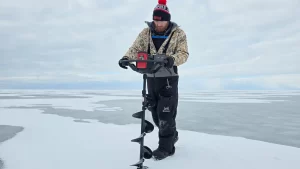
Ice acts like a drum, transmitting sound directly into the water below. Every footstep, scrape, and dropped object is amplified.
Many slow days can be traced back to unnecessary noise. Scraping ice with boots, sliding heavy gear, or stomping around holes can push fish out of the area. Even small sounds can make a noticeable difference.
Moving deliberately, drilling holes efficiently, and keeping gear organized helps maintain a quieter setup. Anglers who treat the ice like a stage instead of a sidewalk often see more fish on their electronics and more bites on the line.
Light Conditions Influence Feeding Windows
Low-light conditions consistently outperform bright, sunny days. Early morning and late afternoon are well-known prime times, but overcast skies can extend feeding windows throughout the day.
Snow cover, pressure ridges, and ice heaves can also create shaded zones under the ice. These natural features reduce light penetration and make fish feel more comfortable moving and feeding.
Even on clear days, setting up near snow-covered ice or structural features can create an advantage. Underwater cameras quickly reveal how dramatic the difference in light can be beneath the surface.
The Moon Plays a Supporting Role
Moon phases influence fish activity more than many anglers realize. Full and new moons often create stronger feeding periods, though preferences vary by species.
When favorable moon phases line up with changing barometric pressure, fishing can be exceptional. These overlapping factors create short but powerful bite windows that reward anglers who plan ahead.
Tracking moon phases alongside pressure, weather, and success rates helps identify patterns over time. Consistency comes from recognizing when conditions align, not from fishing harder.
A Better Way to Measure Success
Ice fishing is rarely about one magic lure or secret spot. Improvement comes from observation, patience, and small adjustments. Paying attention to conditions, minimizing noise, staying mobile, and fishing during prime windows all stack the odds in your favor.
Keeping notes after each trip can be surprisingly effective. Recording weather, pressure, moon phase, depth, and success builds a personal playbook that improves year after year. Ice fishing will always be challenging, but understanding why fish behave the way they do makes the challenge far more rewarding.
When preparation replaces guesswork, confidence grows, and those frozen days on the lake start producing more bent rods and fewer empty stories.
Image/Source: MeatEater