Technology and fishing do not always get mentioned in the same breath, but one Texas angler is proving they belong together. Instead of relying solely on store-bought tackle, Goya Lin has taken bass fishing into the future by designing and 3D-printing his own lures. The result is a creative blend of engineering, experimentation, and time on the water that is turning heads across the fishing world.
Lin’s most talked-about creation is a highly unusual bass lure that resembles a string of ducklings swimming across the surface. It may look unconventional, but largemouth bass seem to have no trouble committing to it. The idea did not come together overnight. Lin spent more than two years refining designs, logging over 500 casts, and making constant tweaks before the lure performed the way he envisioned.
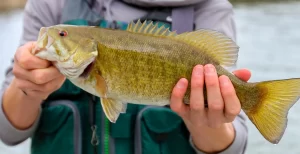
Despite the attention his work now receives, Lin is quick to downplay the idea that he is an expert. In an interview with Outdoor Life, he explained that curiosity, not credentials, drives his projects. His background in fly fishing played a major role in shaping his mindset. Fly anglers often tie and customize their own flies, while bass anglers tend to rely on commercially produced lures. Lin wondered why that creativity could not cross over.
That question eventually led him to buy a 3D printer in 2020. With the help of design software, Lin began creating digital lure models and turning them into physical prototypes. Some worked, many did not, but each version taught him something new. Rather than keeping the process private, he decided to document his progress on YouTube.
For Lin, filming was not about chasing views. He wanted to capture the excitement of experimentation and success so he could look back on it later. Sharing videos also became a way to connect with his children, using a medium they naturally gravitate toward. The project slowly grew into a community, with viewers offering feedback, encouragement, and ideas of their own.
Interestingly, the inspiration for one of his most successful lures came from a missed opportunity. Lin once hoped to catch an alligator but ended up landing a largemouth bass instead. Observing the environment, he reasoned that where adult alligators exist, young ones must as well. That sparked the idea of designing a bait that mimicked baby alligators, eventually evolving into his duckling-style lure.
Lin describes the entire process as iterative. Each version is an improvement, not a final product. Even now, he admits the lure is not perfect. That openness is part of what resonates with anglers watching from home. Rather than presenting innovation as something reserved for experts, Lin frames it as a series of small, manageable steps.
He also emphasizes that modern tools are far less intimidating than they appear. Tutorials, forums, and instructional videos make it easier than ever to learn new skills. According to Lin, the biggest barrier is simply getting started. Once that first step is taken, progress tends to follow naturally.
What makes Lin’s story compelling is not just the technology, but the mindset behind it. His success shows that fishing innovation does not always come from major brands or laboratories. Sometimes it starts in a garage, with curiosity, patience, and a willingness to fail.
Anglers looking to deepen their connection to the sport should consider experimenting beyond the tackle aisle. Whether it is modifying a lure, tying custom rigs, or exploring new tools like 3D printing, creativity can open the door to better fishing and more fun on the water. Take inspiration from innovators like Goya Lin and try something new this season. The next great idea might be one cast or one design away.
Image/Source: WOS