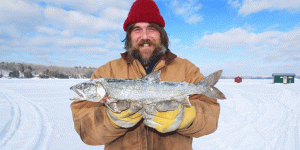
Each winter, New Hampshire’s largest lakes transform into bustling frozen communities. Ice shanties dot the landscape, anglers drill holes through thick ice, and the quiet anticipation of a bite fills the cold air. These temporary villages are not built for survival, but for sport, camaraderie, and the thrill of pulling fish through the ice.
For anyone looking to embrace a new winter hobby, ice fishing in the Granite State offers an accessible and rewarding experience. With the right timing, gear, and knowledge of local rules, beginners can quickly feel at home on the ice.
When Ice Fishing Season Begins in New Hampshire
Ice fishing season in New Hampshire officially starts at “ice in” and ends at “ice out,” as designated by the New Hampshire Fish and Game Department. These dates typically fall between late December and mid April, though weather conditions can shift the timeline each year. Safety always comes first. Anglers should look for solid blue or black ice measuring at least 4 to 6 inches thick for foot travel. Ice measuring 8 to 10 inches can support OHRVs, but depth should be checked frequently from shore outward.
Dressing for the Ice
Staying warm is essential for an enjoyable trip. Layering is the key to comfort and safety. Insulated waterproof boots, wool socks, thermal base layers, and windproof outerwear help protect against harsh winter conditions. Gloves or mittens, a warm hat, and a scarf are must-haves, and packing extra clothing is always wise in case something gets wet.
Essential Ice Fishing Gear
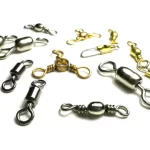
Modern ice fishing blends tradition with technology. A sled makes transporting gear easier, while an ice chisel or auger allows anglers to drill or reopen holes. An ice scoop helps keep holes clear of slush. Standard fishing rods and reels work well, and live bait is often recommended for better success. Beginners can also find helpful instructional videos through New Hampshire Fish and Game to learn about specialized equipment and techniques.
Licenses and Regulations
Anyone aged 16 or older needs a valid New Hampshire fishing license, which can be purchased online or in person. The state also offers two Free Fishing Days each year, including one in January, allowing anglers to fish without a license. Trap limits generally allow up to six lines per person, though some waters have stricter rules, so checking regulations by location is important.
Where to Fish and What to Catch
Lake Winnipesaukee is one of the most popular ice fishing destinations in the state, along with Lake Sunapee, Newfound Lake, and Crystal Lake. Anglers commonly target rainbow trout, lake trout, and white perch, while smallmouth bass, crappies, pumpkinseeds, and burbot are also frequent catches.
With proper preparation and respect for safety, ice fishing in New Hampshire can become a winter tradition worth returning to year after year.
Image/Source: visitnh