Cold weather does not automatically mean fishing success disappears. Winter fishing can range from slow and technical to surprisingly productive depending on location, species, and recent weather patterns. Southern and Gulf Coast waters often stay more active than northern inshore zones, though strong cold fronts can reduce bite activity almost anywhere. Understanding how fish react to temperature, water clarity, and seasonal forage changes can dramatically improve winter fishing results.
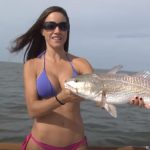
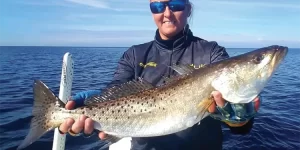
Regional differences shape winter fishing opportunities. Northern anglers often shift toward offshore bottom fishing when inshore waters go quiet, targeting species like cod, black sea bass, or scup around structure such as wrecks and ledges. In warmer coastal regions, anglers can still find steady action targeting species such as redfish, speckled trout, sheepshead, and flounder. Farther south, tropical systems support year-round activity from species like snook, tarpon, and grouper when conditions remain stable.
Cold water changes fish behavior in predictable ways. Fish are cold-blooded, meaning body temperature and metabolism are controlled by surrounding water temperatures. As water cools, metabolism slows and fish conserve energy by feeding less aggressively and moving less often. Many species also hold deeper or move to stable areas where temperature changes are less dramatic.
Because feeding slows, presentation becomes critical. Smaller baits typically outperform larger offerings during winter because fish are less willing to chase large prey. Live bait often produces consistent results since it moves naturally and requires less effort from fish to strike. When artificial lures are used, slower retrieves and smaller profiles usually trigger more bites.
Finding warmer water can make or break winter fishing success. Even small temperature differences can concentrate fish. Protected coves, mud or rock bottoms, deeper channels, and areas with moderate current can hold slightly warmer water than surrounding areas. Several consecutive days of warming temperatures can trigger short but intense feeding windows, while sharp cold snaps often shut feeding activity down.
Weather timing also plays a major role. Stable weather patterns usually produce better fishing than rapidly changing systems. Wind can reduce water temperatures and increase turbidity, pushing fish into protected areas. Calm days following warming trends often provide the best opportunities for consistent bites.
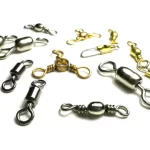
Gear adjustments help maximize success in cold water. Lighter tackle and fluorocarbon leaders improve presentation in clear winter water. Slowing lure movement dramatically increases strike probability. On extremely cold days, dragging jigs slowly along the bottom or tipping artificial lures with natural bait can turn slow fishing days into productive ones.
Proper clothing and preparation remain essential. Layering moisture-wicking base layers, insulation layers, and waterproof outer shells helps maintain comfort and focus. Extra gloves, socks, and dry clothing provide backup if gear gets wet, which is common during winter fishing trips.
Winter fishing rewards patience, observation, and adaptation. Anglers who focus on temperature trends, smaller presentations, and slow, precise techniques often outperform those using aggressive warm-season tactics. With the right approach, winter can provide some of the most consistent and rewarding fishing of the entire year.
Image/Source: southernboating