Fishing does not have to stop when temperatures drop. Many anglers actually find winter fishing to be productive because fish often group together, creating strong opportunities for steady action. Fewer anglers on the water can also mean less pressure on fish. With the right preparation and strategy, cold weather fishing can be one of the most rewarding times of the year.
Winter fishing success starts with choosing the right location. Fish behavior changes as water temperatures fall, and finding where fish group up is critical. State Department of Natural Resources websites are excellent sources for updated seasonal fish reports, stocking information, and regulations. Lakes and slow-moving rivers are often better winter options than fast-moving water. Strong currents can make fishing difficult and create dangerous conditions, especially when temperatures are low and ice formation is possible.
Timing also plays a major role in cold weather fishing success. Winter fish activity is heavily influenced by weather changes. Many species feed more aggressively just before a cold front moves through an area. Planning trips around these weather shifts can significantly increase catch rates. During winter months, the most consistent fishing usually occurs between mid-morning and late afternoon, when water temperatures are slightly higher and fish are more active.
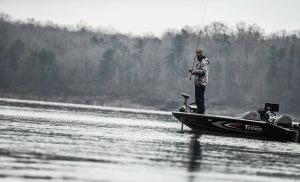
Gear preparation is another critical factor. Cold weather can cause fishing reels to stiffen as grease thickens and bearings slow down. Servicing reels before winter trips helps prevent failures on the water. Fishing line also needs attention. Water that freezes on line or rod guides can cause tangles and reduce casting performance. Using line conditioner can help keep line flexible and manageable in freezing conditions.
Personal clothing is just as important as fishing equipment. Insulated, waterproof boots help protect feet from freezing temperatures and moisture. Layering clothing using synthetic or wool materials helps retain body heat even if clothing becomes damp. Insulated gloves keep hands warm, while fingerless options allow anglers to maintain dexterity when tying knots or handling gear. Thermal base layers, thick socks, quality hats, and waterproof outer layers all contribute to safe and comfortable winter fishing trips.
Bait selection changes during winter as well. Fish metabolism slows in cold water, meaning fish move slower and feed less aggressively. Live bait often outperforms artificial lures because it naturally moves at a slower pace that matches winter feeding behavior. If artificial lures are used, smaller sizes usually perform better. Lures in the two to three inch range tend to produce more strikes. Hair or feather materials can help maintain movement in cold water. Scent attractants can also increase bite duration, giving anglers more time to set the hook.
Safety should always be a top priority during cold weather fishing. Cold water immersion can quickly lead to hypothermia and muscle failure. Fishing with a partner adds an important layer of protection. Leaving a float plan with family or friends ensures someone knows where you are and when to expect your return. Wearing a life jacket at all times is critical, especially since heavy winter clothing can make swimming difficult.
Packing high-energy food and warm drinks can also improve safety and comfort. Hand and foot warmers provide long-lasting heat and help prevent frostbite. Emergency boarding tools such as rope ladders can make a major difference if someone falls into the water.
Cold weather fishing rewards anglers who prepare properly, respect winter conditions, and adapt their techniques to match fish behavior. By focusing on location, timing, gear maintenance, bait selection, and safety planning, anglers can turn winter into one of the most productive seasons of the year. The next time temperatures drop, consider gearing up, heading out, and discovering just how productive cold water fishing can really be.
Image/Source: mossyoak