Finding a single lure to handle every winter fishing situation is unrealistic. Cold water brings changing conditions, shifting fish behavior, and varied forage. However, several professional anglers consistently rely on a handful of proven baits that perform across multiple winter scenarios. These lures, paired with the right presentations, can dramatically improve success when temperatures drop.
A Go-To Jerkbait for Winter Success
Bassmaster Elite pro Lee Livesay relies heavily on one bait during the colder months: the 6th Sense Provoke 97DD. This 1/2-ounce jerkbait measures 3 3/4 inches and dives between 4 and 8 feet, making it versatile for a wide range of winter conditions.
This lure stands out because of its compact profile and consistent ability to draw strikes. Whether targeting fish in grass, suspended fish located with forward-facing sonar, or bass holding in timber and brush, this jerkbait remains effective. It also produces across species, from smallmouth and spotted bass to trophy largemouth.
Why It Produces in Cold Water
The Provoke 97DD mimics struggling baitfish, which is key during winter when bass feed opportunistically. Its smaller size matches the forage typically available during colder months, making it an easy target.
Cadence is critical. A common retrieve pattern involves a jerk-jerk-pause rhythm, but adjustments depend on water temperature. In colder conditions, longer pauses of up to 15 seconds may be necessary. In slightly warmer water, shorter pauses often trigger more bites. Modern sonar technology allows anglers to observe fish reactions and fine-tune presentation in real time.
Gear and Setup
A medium-power rod around 6 feet 8 inches offers the right balance of sensitivity and flex. This setup helps ensure fish can fully take the bait while still allowing accurate casts and proper lure action.
Line choice plays a major role in controlling depth:
-
12-pound fluorocarbon works well in most situations
-
16-pound line is useful in heavier grass or shallow water
-
8- to 10-pound line helps achieve greater depth in clear, deep conditions
Adjusting line size provides precise control over lure performance without changing baits.
Lipless Crankbaits for Reaction Strikes
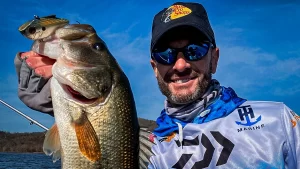
Randy Howell, a Bassmaster Classic champion, turns to lipless crankbaits as a primary winter tool, especially on grass lakes. His preferred option is the Livingston Pro Ripper.
Even when water temperatures drop into the low 40s, this bait continues to generate strikes. The key is the lift-and-fall, or “yo-yo,” retrieve, which imitates dying baitfish struggling near vegetation.
Why Lipless Baits Work
Winter bass often react rather than chase. A lipless crankbait falling through grass triggers instinctive strikes. This presentation is especially effective along grass edges and even near ice in protected areas.
Heavier sizes, such as 1/2- and 3/4-ounce models, allow better control over depth. Color selection also matters:
-
Crawfish patterns like Guntersville Craw or Okie Craw excel in stained water
-
Chrome finishes perform well in clear water
These subtle changes can significantly increase bites in tough conditions.
Flat-Sided Crankbaits for Subtle Presentations
Scott Canterbury favors flat-sided crankbaits when water temperatures dip into the low 50s. Unlike wide-wobbling lures, flat-sided baits offer a tighter action that better matches lethargic forage.
Targeting Transition Areas
Steeper banks near creek mouths are prime winter locations. Bass often stage in these areas before moving toward spawning zones. Casting parallel to these banks keeps the lure in the strike zone longer, increasing effectiveness.
The subtle vibration of flat-sided crankbaits is key. In cold water, baitfish move sluggishly, and excessive action can deter bites. A more natural presentation often produces better results.
Finesse Techniques for Tough Conditions
When conditions become especially challenging, finesse presentations can make the difference. California pro Bryant Smith relies on a Neko-rigged Strike King Shim-E-Stick during tough winter days.
Typically rigged with a 3/32-ounce weight and fished on 10-pound line, this setup excels in calm, clear conditions where bass are less aggressive.
Slow and Methodical Approach
The Neko rig shines on flatter main lake points, where bass often hunt for larger prey like trout. Instead of covering water quickly, this technique focuses on thoroughly working specific areas.
The key lies in subtle movement. The bait is shaken in place, creating action without significant forward movement. This forces a slower pace and keeps the lure in the strike zone longer, which is critical during winter.
Building a Winter Strategy
Cold-water bass fishing requires patience, observation, and adaptability. Each of these techniques serves a specific purpose:
-
Jerkbaits cover a wide range of conditions and depths
-
Lipless crankbaits trigger reaction bites in grass
-
Flat-sided crankbaits offer subtle presentations in cooler water
-
Finesse rigs excel when fish are inactive
Success often comes from rotating through these options until fish behavior becomes clear. Water temperature, forage, and structure all influence which approach will work best on any given day.
By focusing on proven baits and adjusting presentation to match conditions, anglers can stay productive throughout the winter season.
Image/Source: Wired2Fish