Most anglers put the rods away when frost forms at the ramp and surface temperatures slide into the 40s. Those who stay on the water discover a different kind of opportunity. Quiet launches, unpressured fish, and a bite that rewards patience and precision define the winter season.
Winter bass fishing is not about covering water quickly or forcing reaction strikes. Success comes from understanding fish biology, slowing presentations, and committing to a deliberate approach. Anglers who adapt to cold-water behavior often find winter to be one of the most rewarding times of the year to fish.
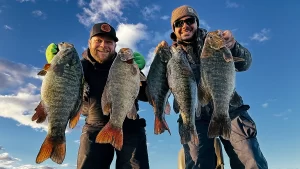
Late-season bass continue feeding before waters lock up in colder regions. Even in warmer climates, bass enter a slower, more dormant phase. This period offers a strong chance at landing a personal-best fish, as bass are often heavier and grouped together.
Here is what matters most when targeting bass in cold water.
Understanding Winter Bass Behavior
When water temperatures drop below 50 degrees, a bass’s metabolism slows significantly. Fish do not stop feeding, but they become selective and conserve energy. Instead of chasing prey, bass prefer easy, predictable meals.
Winter bass often hold tighter to structure than any other time of year. Finding one fish usually means more are nearby. Key areas include main lake points, deep holes, bluff walls, and rock transitions. These spots allow fish to move vertically without expending much energy.
Winter fishing is not random. It is about locating concentrated groups of fish and presenting baits in a way that requires minimal effort for them to eat.
Electronics and Location
Modern electronics can be extremely helpful during winter. Bass tend to hold deep or suspend over bait, making them easier to locate with sonar. Instead of just searching for fish, look for signs of life such as bait schools, individual arches, or clusters along structure.
Without advanced electronics, success still comes from identifying steep breaks where deep water meets structure. These areas act as travel routes for bass. Rock, wood, and channel swings increase the likelihood of finding fish.
Mapping tools can also help identify subtle contour changes that often hold winter bass. Even small differences in depth can make a major impact.
Best Winter Baits
Winter fishing requires subtle presentations, natural colors, and slow movement. Less action often produces more bites.
Football Jigs
A football jig is a staple for cold water. It imitates bottom-dwelling forage like crawfish and gobies. Instead of hopping the jig, dragging it slowly across the bottom is more effective. Long pauses are critical, and bites are often detected as slight pressure or a loss of weight.
Blade Baits
Blade baits excel in winter due to their tight vibration. They mimic dying baitfish, which is an easy target for bass. Keep movements small, lifting the bait just a few inches off the bottom before letting it fall again.
Jerkbaits
Jerkbaits require patience in cold water. Long pauses between twitches are essential, sometimes lasting up to 30 seconds. A suspending bait sitting motionless often triggers bites from inactive fish.
Small Plastics
Downsized presentations like Ned rigs, small swimbaits, and tubes work well when bass are unwilling to move far. Keep these baits close to the bottom and move them slowly. Maintaining bottom contact is critical.
Alabama Rig
An Alabama rig imitates a small school of baitfish and can trigger strikes even in cold conditions. Fishing it slowly near structure or suspended bait increases success. Subtle changes in retrieve speed can help convince following fish to commit.
Slow Down Your Approach
The most important rule of winter fishing is simple: slow down. Every aspect of presentation should feel almost too slow. Longer pauses, slower retrieves, and minimal movement make a difference.
Many bites come when a bait appears completely still. Giving fish extra time to react often turns a slow day into a successful one.
Weather Patterns Matter
Weather plays a significant role in winter fishing. Stable conditions, whether cold or slightly warmer, tend to produce better results than rapid changes.
A warming trend over several days can increase fish activity and move bass slightly shallower. However, cold and high-pressure conditions can concentrate fish in predictable locations, making them easier to find.
Wind can also improve fishing by pushing bait and positioning bass along structure. Even light wind can enhance an otherwise slow day.
Safety on the Water
Cold water conditions require extra caution. Wearing a life jacket or float suit is essential. Keeping dry clothes in a waterproof bag and avoiding solo trips can prevent dangerous situations.
Let someone know the plan before heading out, including location and return time. Winter fishing can be rewarding, but safety should always come first.
Why Winter Fishing Stands Out
Winter bass fishing is quiet, methodical, and often challenging. It is not for everyone, but it offers a unique opportunity to catch larger fish. Bass are typically heavier and grouped together, making each bite more meaningful.
The lack of boat traffic and distractions creates a focused fishing experience. This season forces anglers to refine their skills and better understand fish behavior.
Cold water does not signal the end of fishing. Instead, it opens the door to a different style of angling, where patience and precision lead to some of the most rewarding catches of the year.
Image/Source: Wired2Fish