Trout fishing often brings to mind tiny flies and delicate presentations. While those methods certainly work, trout are far more versatile feeders than many anglers realize. Large brown and rainbow trout frequently chase minnows, worms, and other substantial prey, especially in rivers and lakes with strong forage populations.
Success with trout often comes down to presentation. The right rig allows bait or lures to move naturally through the water while keeping the offering in the strike zone. The following five trout fishing rigs are highly effective options that many anglers overlook.
1. The PowerBait Slip Sinker Rig
This classic setup is especially effective when targeting stocked trout in lakes and ponds. Hatchery trout are accustomed to eating pellet-style food, and floating dough baits such as PowerBait are designed to mimic that diet.
Basic components:
-
Egg sinker
-
Bead
-
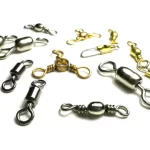
Barrel swivel
-
Leader line
-
Treble hook
The egg sinker slides freely on the main line, allowing trout to pick up the bait and swim without immediately feeling resistance. This often results in solid hook-ups.
Dough bait is the most common choice for this rig, but other natural baits such as nightcrawlers, minnows, and small crayfish can also work very well. The rig is simple, reliable, and ideal for anglers fishing from shore.
2. The Drop Shot Rig
Although commonly associated with bass fishing, the drop shot rig is extremely effective for trout. The presentation keeps bait slightly off the bottom while allowing subtle movement that attracts nearby fish.
Basic components:
-
Drop shot hook
-
Cylinder drop shot weight
The hook is tied above the weight so the bait suspends in the water column. A longer leader between hook and weight can be used when targeting trout in deeper water.
Nightcrawlers and red wigglers work particularly well on this rig. Lightly hooking the worm at the head or tail allows it to wiggle naturally. Small rod tip movements create lifelike motion that often triggers strikes from nearby trout.
3. The Live Bait Drift Rig
Larger trout often rely on natural forage such as minnows to maintain energy levels. Presenting a live bait naturally can produce impressive results, especially when targeting trophy fish.
Basic components:
-
Octopus hook
-
Colorado blade
Live minnows such as shiners can be hooked through the lips and allowed to swim freely. The slight weight of the hook encourages the bait to swim deeper in the water column.
Adding a Colorado blade above the hook creates extra flash and vibration. Trout are highly visual feeders and are often drawn to shiny objects. The spinning blade also produces subtle vibrations that help fish locate the bait.
4. The Float and Fly Setup
The float and fly technique is known for producing fish in cold water conditions. The setup suspends a small jig or fly beneath a float, keeping the bait in the strike zone for extended periods.
Basic components:
-
Slip float
-
Bobber stop
-
Small hair jig or fly
The float controls depth while the jig remains suspended in the water column. Gentle twitches or pops of the float create movement that makes the jig appear like an easy meal.
Depth adjustments are important with this rig. Setting the float about three feet above the fly is a good starting point. If trout are not responding, adjusting the depth slightly shallower often helps.
Small jigs around 1/32 ounce are commonly used, though larger trout will readily strike 1/16 ounce or even 1/8 ounce jigs.
5. The Bottom Walking Rig
Fast-moving rivers often contain rocky bottoms and heavy current. Traditional bottom rigs can easily snag in these environments. The bottom walking rig helps keep bait moving naturally while reducing the chances of losing gear.
Basic components:
-
Three-way swivel
-
Short dropper line with weight
-
Leader line with hook
The main line ties to the top of the swivel. A short dropper line with a sinker connects to the bottom eye. The hook and leader attach to the remaining eye.
When cast upstream or across the current, the weight contacts the bottom and drifts downstream. The hook and bait move slightly ahead of the weight, creating a natural drifting presentation that trout often find irresistible.
If the rig becomes snagged, the dropper line holding the weight usually breaks first, saving the rest of the setup.
Keep Experimenting With Trout Rigs
Trout fishing rewards anglers who experiment with different presentations. Conditions such as water temperature, current speed, and available forage can influence how trout respond to bait or lures.
Trying several rigs during a trip often reveals what fish prefer that day. Whether fishing stocked ponds, mountain streams, or large rivers, adapting presentations and staying flexible can lead to more consistent success and more trout brought to the net.
Image/Source: Wired2Fish