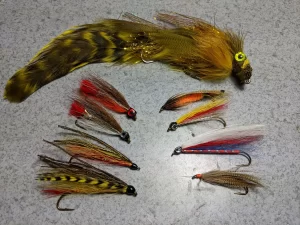
Throwing large flies is often the key to targeting aggressive fish, whether stripping streamers for trout or casting bulky patterns for bass and pike. But upsizing flies also increases the chances of break-offs. Heavier flies create more resistance in the air and water, putting added stress on knots, leaders, and gear. Without the right setup, one hard strike or a poorly timed cast can snap everything off.
The first step in preventing break-offs starts with leader selection. Light tippet might work for small dry flies, but it rarely holds up against the weight and drag of larger patterns. Stepping up to a thicker, stronger leader provides the backbone needed to handle both the cast and the fight. Many anglers use shorter, heavier leaders when throwing streamers to reduce hinge points and improve turnover.
Knots are another critical factor. Large flies amplify any weakness, and a poorly tied knot will fail quickly under pressure. Strong, reliable knots like the improved clinch or non-slip loop knot are popular choices. The loop knot, in particular, allows the fly to move more naturally while maintaining strength. Taking the time to properly seat and tighten each knot can make the difference between landing a fish and watching a fly disappear.
Rod and line setup also play a major role. Trying to cast oversized flies on a rod that is too light puts unnecessary strain on the entire system. A slightly heavier rod with a matching fly line helps deliver big flies more efficiently, reducing shock during the cast. Smooth, controlled casting strokes are far more effective than overpowering the rod, which often leads to snapping the line mid-cast.
Regular gear checks are often overlooked but essential. Nicks in the leader, worn tippet, or damaged fly line can all lead to sudden failure. Running fingers along the line before fishing helps identify weak spots that might not be visible. Replacing compromised sections early prevents costly mistakes later.
Fighting fish correctly is just as important as the setup. Large flies often attract strong, aggressive fish that can put immediate pressure on the line. Keeping steady tension without jerking or overplaying the fish reduces the risk of break-offs. Letting the rod absorb shock instead of relying solely on the line helps maintain control.
Casting awareness also matters. Heavy flies can collide with the rod or line during sloppy casts, weakening the system without immediate signs of damage. Slowing down the casting rhythm and opening up loops creates safer, more efficient presentations.
Fishing big flies can produce some of the most exciting strikes on the water, but it demands a more deliberate approach. Strong leaders, dependable knots, balanced gear, and controlled technique all work together to keep flies where they belong. With the right adjustments, anglers can fish confidently, knowing their setup is built to handle the weight and power that comes with going big.
Image: topnotchflyfishing