Spring marks one of the most productive and dynamic times of the year for bass fishing. As water temperatures rise, bass transition from winter patterns into pre-spawn and spawning behavior, creating prime opportunities for anglers who understand the seasonal shift. Success during this period comes down to timing, location, and adapting to changing conditions.
Early in the season, bass are typically found moving from deeper wintering areas toward shallower water. Points, drop-offs, and channel edges become key transition zones where fish stage before committing to the shallows. Targeting these areas with slow-moving presentations such as jigs or suspending jerkbaits can produce consistent results, especially when water temperatures are still fluctuating.
As the warming trend continues, bass push further into shallow water in preparation for spawning. Protected coves, flats, and areas with softer bottoms often hold fish looking to build beds. Clear water makes it easier to visually locate bass, but even in stained conditions, focusing on structure like submerged wood, vegetation, or rocks can reveal productive spots.
Lure selection plays a major role throughout the spring. Moving baits like spinnerbaits and crankbaits are effective for covering water and locating active fish. As bass become more aggressive, these presentations can trigger reaction strikes. When fish are more cautious, soft plastics such as creature baits or stick worms fished slowly near cover can be the difference.
Weather patterns have a significant impact during spring. A few warm days can rapidly improve fishing, while a sudden cold front may push bass back into slightly deeper water or make them less active. Adjusting depth and slowing down presentations during these shifts helps maintain success. Wind can also be an advantage, as it breaks up light penetration and positions baitfish, often drawing bass into feeding zones.
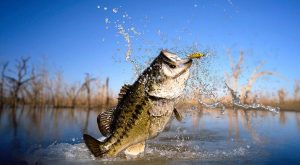
Timing is critical when targeting spawning fish. Early morning and late afternoon typically provide the best action, though bass guarding beds may remain active throughout the day. Careful presentations and patience are key when fishing for visible fish, as overly aggressive tactics can spook them.
Gear setup should match the conditions. Medium to medium-heavy rods paired with appropriate line strength allow anglers to handle fish around cover while maintaining sensitivity. In heavier vegetation or timber, stronger line helps prevent losing fish during the fight.
Spring bass fishing offers a mix of aggressive strikes and strategic challenges. By focusing on transitional areas, adjusting to weather changes, and using the right techniques, anglers can take full advantage of one of the most exciting seasons on the water.
Image: texs