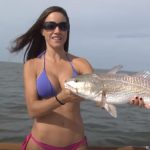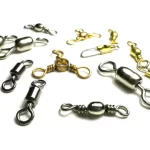
Fishing is one of the best ways to spend time outdoors, relax near the water, and create lasting memories with friends and family. For beginners, getting started can feel overwhelming at first, especially with all the different rods, reels, baits, and techniques available today. The good news is that learning the basics is much easier than many people think.
With a little preparation and a few simple skills, almost anyone can enjoy a successful first day on the water.
Start with the Right Fishing Gear
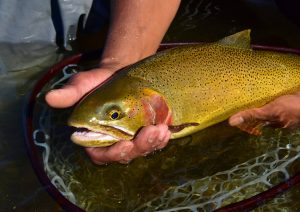
New anglers do not need expensive equipment to begin fishing. A simple spinning or spin-casting combo works perfectly for most freshwater fishing situations. Many starter rod-and-reel kits already include the basics needed to catch fish.
Some of the most important beginner fishing items include:
- A valid fishing license if required by state regulations
- A fishing rod and reel
- Monofilament fishing line
- Small hooks and split-shot weights
- A bobber or float
- Live bait or simple fishing lures
- A rubber fishing net for handling fish safely
Local tackle shops and sporting goods stores usually carry beginner-friendly setups and can often recommend gear based on nearby fishing opportunities.
Before heading out, anglers should also check local fishing regulations for size limits, harvest rules, and approved bait options.
Choosing the Best Beginner Fishing Rod
Two of the most common rod-and-reel styles for beginners are spin-casting reels and spinning reels.
Spin-casting reels are extremely beginner-friendly because the line releases with a push-button system. These setups are easy to control and help reduce tangles while learning.
Spinning reels are also popular because they cast farther and offer more versatility as anglers gain experience. They use an open-bail system where the fishing line is controlled with a finger during the cast.
Both options are effective, and either one can help beginners catch everything from bluegill and crappie to bass and trout.
Setting Up a Basic Fishing Rig
A simple bobber rig remains one of the easiest and most effective setups for first-time anglers.
Start by tying a hook onto the fishing line using a basic fishing knot like the improved clinch knot. Add one or two small sinkers several inches above the hook to help the bait sink naturally. Then attach a bobber high enough on the line to keep the bait suspended above the bottom.
This setup works well with live bait such as worms, minnows, or small artificial lures.
The bobber acts as a strike indicator. When it suddenly dips underwater or moves sideways, there is usually a fish biting.
Learning How to Cast
Casting becomes much easier with practice.
Beginners should practice in an open area away from people and remove hooks while learning. Smooth, controlled motions work better than trying to cast hard. Most casting mistakes happen because the line is released too early or too late during the motion.
With enough practice, accuracy and distance improve quickly.
One of the biggest mistakes new anglers make is trying to cast too far right away. Short, accurate casts near productive cover often catch more fish than long casts into empty water.
Best Places to Fish for Beginners
Fish are often found near structure and cover.
Weedy shorelines, rocky banks, fallen trees, docks, and drop-offs all provide protection and feeding opportunities for fish. Areas where the bottom changes from sand to gravel or mud can also attract feeding fish.
Staying quiet and avoiding excessive movement near the shoreline helps prevent spooking fish in shallow water.
Many beginner anglers find success targeting smaller species like bluegill, crappie, perch, or stocked trout before moving on to larger gamefish.
Practice Catch and Release Responsibly
Respecting fish and protecting local fisheries are important parts of becoming a responsible angler.
Fish that are undersized or not being kept for food should be released quickly and carefully. Wet hands or rubber nets help protect the fish’s slime coating, which plays a major role in survival.
Fish should spend as little time out of the water as possible. If a hook is deeply swallowed, cutting the line close to the hook is often safer than forcing the hook out.
Responsible catch and release practices help keep fisheries healthy for future anglers.
Fishing Safety Always Comes First
Fishing is fun, but safety should never be overlooked.
Anglers should always:
- Watch for sharp hooks
- Look behind before casting
- Wear life jackets when fishing from boats or near deep water
- Fish with a partner whenever possible
- Properly dispose of fishing line and trash
Discarded fishing line can seriously harm birds, fish, and other wildlife.
Enjoy the Learning Process
Every angler starts somewhere.
The first fishing trip may not produce giant fish, but every cast teaches something new. Learning how fish behave, understanding seasonal patterns, and improving casting skills all become part of the experience.
Fishing is not just about catching fish. It is about spending time outdoors, exploring new water, and enjoying the peaceful moments that come with being outside.
Grab a rod, find a local pond or lake, and give fishing a try this season. The next cast could be the start of a lifelong passion for the outdoors.
Image/Source: FWS