Every spring, rivers across the East Coast come alive with one of the most exciting and underrated fishing opportunities of the year. As water temperatures begin to rise, massive schools of shad push upstream on their annual spawning run, creating fast paced action for anglers willing to time it right. From North Carolina backwaters to Mid Atlantic rivers and New England tributaries, spring shad fishing delivers explosive strikes, aerial fights, and nonstop excitement.
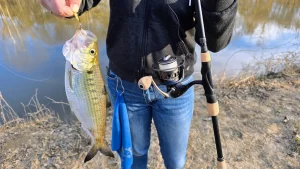
Often called the “poor man’s tarpon,” hickory shad are especially famous for their aggressive runs and acrobatic jumps. While largemouth bass and trout usually steal the spotlight, these silver fish offer a level of energy and fight that surprises many anglers the first time they hook into one.
The key to success starts with timing. Shad runs are short lived and heavily influenced by water temperature, river flow, and tides. In southern states, the action can begin in late winter and early spring, while northern rivers typically heat up by late April or early May. Once water temperatures climb into the 50 degree range, shad begin moving upriver in large numbers.
In tidal rivers, incoming tides often help push schools farther upstream. Areas with calmer current nearby are excellent places to target fish taking a break during their migration. Creek mouths, river bends, eddies, and slower pools near moving water can all become productive spots during the peak of the run.
The good news is shad fishing does not require heavy gear. A 6 to 7 foot medium light spinning rod paired with 6 to 10 pound line offers plenty of sport while still handling hard fighting fish. Many anglers prefer lightweight tackle because it allows small lures to move naturally in the current.
Classic shad lures include spoons, shad darts, curly tail jigs, and small crappie jigs. Bright colors often grab attention, but presentation matters far more than lure color. Cast slightly upstream or across current, allow the lure to sink briefly, then retrieve slowly while keeping it near the bottom where shad commonly travel.
Low light conditions can dramatically improve the bite. Early mornings, evenings, cloudy skies, and drizzly spring days often produce the most active fish. Bright sunlight usually pushes shad deeper into the water column, making them more difficult to reach.
Once hooked, the fight begins immediately. Shad are known for blistering runs, violent head shakes, and dramatic leaps that test both tackle and reflexes. A single school moving through a river system can turn a quiet afternoon into nonstop action within minutes.
Part of what makes spring shad fishing so addictive is how quickly it comes and goes. The run may only last a few weeks, but the excitement leaves anglers counting down the days until next spring arrives again.
Grab a light spinning setup, hit a nearby river, and experience one of spring’s most action packed fishing opportunities before the run disappears for another year.
Image/Source: MeatEater