Late summer is a great time to get out on the water and catch some fish. As the water temperatures rise, fish behavior changes, and understanding these patterns is key to success. Here are some valuable tips to help you make the most of your late summer boat fishing adventures.
Choose the Right Location
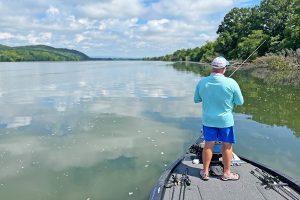
When it comes to late summer boat fishing, location is everything. Look for areas with structure, such as rocks, weeds, and sunken logs, as these provide habitat for fish and attract baitfish and other prey. Some popular locations for late summer fishing include:
- Drop-offs: These are areas where the depth of the water changes suddenly, creating a ledge or drop-off. These areas can be prime targets for fish, particularly species like bass and walleye.
- Weed beds: Weed beds provide habitat for fish and attract baitfish and other prey. Look for areas with submerged vegetation, such as milfoil or cattails.
- Rocky structures: Rocky structures, such as rock piles or boulders, can provide habitat for fish and attract baitfish and other prey.
Top Lures for Late Summer Fishing
- Crankbaits: Crankbaits are a popular choice for late summer fishing, particularly for species like bass and walleye. Choose crankbaits that match the local forage and adjust the depth and retrieval speed to match the fish’s behavior.
- Jigs: Jigs are another effective lure for late summer fishing, particularly for species like bass and panfish. Try using jigging spoons or swim jigs to imitate injured baitfish or other prey.
- Spinnerbaits: Spinnerbaits can be effective for catching fish in late summer, particularly in areas with submerged vegetation or structure.
Effective Fishing Techniques
- Vary Your Retrieval: Varying your retrieval speed and style can help trigger strikes from fish. Try using a steady retrieve, a stop-and-go retrieve, or a jigging motion to imitate injured prey.
- Fish the Structure: Structure, such as rocks, weeds, and sunken logs, can provide habitat for fish and attract baitfish and other prey. Target areas with structure using lures that imitate prey or attract fish to the area.
- Pay Attention to Water Temperature: Water temperature plays a crucial role in determining fish behavior and activity. Use a thermometer to monitor water temperature changes and adjust your fishing techniques accordingly.
Tips for Success
- Stay Adaptable: Be prepared to adjust your fishing techniques and lure selection based on changing water conditions and fish behavior.
- Choose the Right Line: Choose a line that is suitable for the species you’re targeting and the fishing conditions. A good quality line can help you detect bites and land fish more effectively.
- Stay Alert: Late summer fishing can be hot and humid, so make sure to stay hydrated and take breaks as needed.
Additional Strategies
- Fish Early or Late: Fish are often more active during early morning and late evening hours, when the water is cooler and the sun is not as intense.
- Use Live Bait: Live bait, such as nightcrawlers or minnows, can be effective for catching fish in late summer. Try using live bait on a bottom rig or suspended under a float.
- Target Schools: Schooling fish, such as shad or baitfish, can attract larger predators like bass and trout. Target areas with schooling fish using lures that imitate these baitfish.
By following these late summer boat fishing tips, you can increase your chances of catching fish and having a successful fishing trip. Whether you’re a seasoned angler or just starting out, late summer fishing offers a unique opportunity to catch a variety of species and enjoy the beauty of the season.
Image: In-Fisherman