Spring fishing is one of the most exciting times of the year for anglers. After months of cold weather and frozen water, lakes, rivers, and ponds begin coming back to life. Fish become more active, baitfish start moving into shallow areas, and anglers finally get the chance to shake off winter and get back on the water.
But spring fishing also comes with challenges.
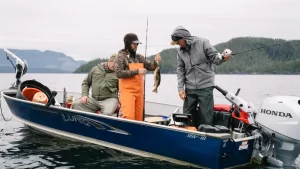
Changing water temperatures, rising water levels, runoff from melting snow, and unpredictable weather patterns can make fish difficult to locate. Anglers who consistently catch fish during the spring usually adjust their approach to match those changing conditions instead of relying on the same tactics used during summer or fall.
One of the biggest keys to spring fishing success is understanding water temperature.
During early spring, shallow water warms faster than deep water, especially on sunny afternoons. In rivers and streams, slower-moving backwaters, sloughs, and shallow flats often become some of the first productive spots of the season. These areas warm quickly and attract baitfish, insects, and eventually larger gamefish looking to feed.
In lakes and ponds, darker-bottomed shallows can also heat up faster and draw in species like bass, bluegill, and crappie. For trout, pike, and muskie anglers, lighter sand and gravel flats may become productive feeding zones as fish move shallow to take advantage of temporary warming periods.
Timing also matters far more in spring than many anglers realize.
Early mornings may seem appealing, but cold overnight temperatures often leave fish sluggish for the first few hours of the day. In many spring fisheries, the best bite does not begin until late morning or early afternoon once sunlight has had time to warm the water.
That means anglers willing to fish from midday through evening frequently see better action than those launching before sunrise.
Lure and bait selection should also change with spring conditions.
In cold, clear water, smaller and slower presentations often produce the best results. Many species remain focused on spawning activity or conserving energy during early spring, making subtle presentations more effective.
As water temperatures rise later in the season, however, fish begin feeding more aggressively. Post-spawn bass, walleye, pike, and other species often target larger meals to recover energy. This is when oversized swimbaits, larger soft plastics, bigger crankbaits, and streamer flies can trigger aggressive strikes.
Water clarity also plays a major role.
Heavy spring rain and snowmelt can stain rivers and lakes, reducing visibility underwater. In dirty water, fish rely less on sight and more on vibration and scent. Larger, louder lures and baits become much easier for fish to locate under these conditions.
Another effective spring strategy is following fish movements throughout the day.
During cold mornings, many fish hold in deeper water where temperatures remain more stable overnight. As the sun warms the shallows, fish gradually slide into nearby feeding areas. Anglers who begin their mornings targeting deeper drop-offs and then transition shallow as temperatures rise often stay on active fish for much longer periods.
Points, sandbars, rocky flats, and shoreline drop-offs can all become productive migration routes during these daily movements.
More than anything, spring fishing rewards anglers who stay flexible.
Conditions can change quickly from one day to the next, and successful anglers are constantly adjusting location, lure size, retrieve speed, and depth based on water temperature and fish behavior.
Spring also marks the unofficial start of a brand-new fishing season. Every cast feels fresh again after a long winter, and every trip offers the chance to rediscover favorite waters or explore somewhere new.
The next warm afternoon could produce the best fishing day of the year.
Grab the rods, stock the tackle box, and spend some time on the water before spring turns into summer. Whether targeting bass, trout, crappie, pike, or panfish, now is the perfect time to take advantage of some of the most active fishing conditions of the season.
Image/Source: MeatEater