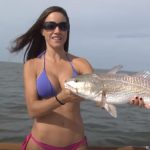
Spring is one of the most exciting times of the year for inshore anglers. Water temperatures begin climbing, baitfish flood the flats, and predator fish become far more aggressive after the slower winter months. For many anglers, this is the prime season to chase the ultimate inshore slam featuring redfish, speckled trout, and snook all in the same trip.
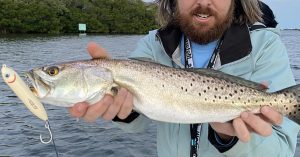
From explosive topwater strikes at sunrise to oversized redfish cruising shallow grass flats, spring creates incredible opportunities for anglers willing to adapt to changing conditions. Success during this transition period often comes down to understanding where fish move, how tides influence feeding activity, and which lures consistently produce bites.
Why Spring Fishing Heats Up Fast
Spring fishing tends to improve quickly because warming water temperatures increase fish activity and feeding behavior. Unlike winter, when fish often become sluggish and group tightly in deeper water, spring fish spread out and aggressively hunt bait across shallow flats, creek mouths, mangroves, oyster bars, and grass edges.
The return of baitfish also plays a major role. Different regions experience spring bait hatches that influence what gamefish target most heavily. Matching lure size, color, and movement to local baitfish often makes a huge difference in getting consistent bites.
Many anglers find spring fishing easier than winter because fish become more willing to chase faster-moving presentations and feed during longer portions of the day.
Where to Find Spring Slam Fish
Location is everything during springtime inshore fishing. Fish move constantly based on tides, bait movement, and water temperature, but several key areas consistently produce action.
Grass Flats and Potholes
Shallow grass flats become feeding grounds once water temperatures rise. Speckled trout and redfish often patrol sandy potholes looking for shrimp, mullet, and baitfish.
Working soft plastics, spoons, or topwater plugs across these areas can produce steady action throughout the morning.
Mangrove Shorelines and Oyster Bars
Snook and redfish love structure during the spring transition. Mangrove shorelines, docks, oyster bars, and creek mouths provide shade, ambush points, and strong tidal flow.
Casting tight to structure is critical. Many anglers miss fish simply because casts land too far away from the strike zone.
Residential Canals and Backwater Creeks
Protected canals and backwater areas warm faster during spring and often attract baitfish early in the season. These areas can hold quality fish during cooler mornings or after spring cold fronts pass through.
Artificial lures worked slowly around seawalls, docks, and current breaks can be extremely effective.
Best Times and Tides for Spring Fishing
Spring fish feed most aggressively during moving tides. Incoming tides push bait onto shallow flats, while outgoing tides funnel bait through drains and channels where predator fish wait to ambush prey.
Early mornings remain one of the best windows for topwater fishing. Calm water and lower light conditions create ideal feeding opportunities for trout and snook.
Cloud cover, windy shorelines, and warming afternoon water temperatures can also trigger strong bites later in the day.
Top Lures for Spring Inshore Fishing
Spring is one of the best seasons for artificial lures because fish are willing to chase moving presentations.
Topwater plugs like walking baits and popping lures create explosive strikes during low-light periods. Soft plastic paddle tails rigged on jig heads remain one of the most versatile choices for trout, redfish, and snook.
Spoons continue to shine around grass flats and muddy water because their flash and vibration help fish locate the bait quickly.
Matching lure profile and retrieve speed to local baitfish activity usually produces the best results.
Retrieval Tips That Trigger More Strikes
Presentation matters just as much as lure selection during spring fishing.
Topwater lures often work best with a steady walk-the-dog retrieve mixed with occasional pauses. Soft plastics should move naturally with subtle twitches and moderate retrieve speeds.
In cooler water or after a cold front, slowing down presentations can help reluctant fish commit to the bait.
One of the biggest mistakes anglers make during spring is retrieving lures too quickly before fish fully commit.
Common Spring Fishing Mistakes
Many anglers struggle during spring because they fail to adapt to changing fish behavior.
Some focus too heavily on winter spots long after fish have moved shallow. Others overlook tides, ignore bait activity, or fish areas too quickly without thoroughly covering productive water.
Poor casting accuracy is another common issue. Spring fish often position tightly around structure, making precise casts critical for success.
The anglers who stay patient, adjust locations, and pay attention to bait movement consistently catch more fish.
Make This Spring Your Best Inshore Season Yet
Spring offers some of the best inshore fishing opportunities of the entire year. Aggressive trout, oversized redfish, and hungry snook create unforgettable action for anglers targeting the inshore slam.
Focus on moving tides, locate active baitfish, fish shallow structure, and keep a variety of lures ready for changing conditions.
Grab the rods, hit the flats, and put these spring inshore fishing tactics to work before the hottest days of summer arrive.
Image/Source: saltstrong