Summer fishing season is all about long days on the water, active fish, and making the most of warm-weather conditions. Whether fishing freshwater lakes, rivers, ponds, or coastal saltwater flats, having the right gear packed and ready can make every trip smoother and more productive.
A well-organized tackle box not only helps anglers catch more fish, but also keeps important tools and safety items within reach when they are needed most.
Start with the Basic Tackle Essentials
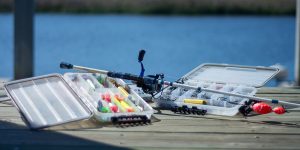
Every summer tackle box should begin with reliable basics that can handle multiple fishing situations.
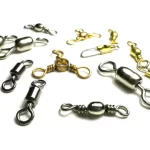
Hooks in several sizes, split-shot weights, jig heads, swivels, and leader line are all essential items to keep stocked. Circle hooks remain a favorite for many anglers because they help reduce injury to fish and improve successful catch-and-release rates.
Carrying different weight sizes is especially important during summer when wind, tides, and current can change throughout the day. Having the ability to quickly adjust rigs allows anglers to keep baits in the strike zone longer.
Simple setups like Carolina rigs, drop-shot rigs, and jig combinations continue to catch fish year after year in both freshwater and saltwater environments.
Pack a Variety of Summer Fishing Lures
Summer fishing conditions can change quickly, which is why lure variety matters.
Soft plastics, paddle tails, shrimp imitations, crankbaits, spoons, and topwater plugs all deserve a place inside the tackle box. Natural colors tend to work well in clear water, while brighter or darker patterns can help fish locate baits in stained or muddy conditions.
Topwater fishing can be especially exciting during summer mornings and evenings. Bass, trout, redfish, and other predatory species often feed aggressively near the surface during low-light conditions.
Keeping a few dependable topwater lures ready can turn a slow morning into an unforgettable fishing trip.
Live Bait Still Produces Big Results
Artificial lures catch plenty of fish, but live bait remains hard to beat during the summer months.
Worms, shrimp, minnows, and cut bait continue to produce consistent action for a wide variety of species. Many anglers also carry bait hooks and small cast nets to gather fresh bait directly from the water when possible.
Keeping live bait healthy during summer heat is important. Aerated bait buckets, insulated coolers, and frequent water changes help prevent bait from dying quickly in hot temperatures.
Frozen bait should also stay packed on ice until needed to preserve freshness throughout the day.
Don’t Forget Fishing Tools and Accessories
Some of the most important tackle box items are often the easiest to overlook.
Fishing pliers or multi-tools help remove hooks, cut line, crimp weights, and handle countless small problems that arise on the water. A hook sharpener can also be extremely valuable when fishing around rocks, docks, oyster beds, or other rough structure that dulls hooks.
Measuring devices should always be included as well. Size and bag limits vary by species and location, and responsible anglers always verify fish measurements before keeping a catch.
Extra fishing line, spare leaders, and replacement terminal tackle can also save a trip when gear breaks unexpectedly.
Protect Yourself from Summer Conditions
Summer fishing often means dealing with intense heat, humidity, and insects.
Sunscreen, bug spray, towels, and polarized sunglasses should always be part of the gear setup. Polarized glasses help reduce glare while making it easier to spot fish, underwater cover, grass lines, and structure beneath the surface.
Hydration is equally important. Many anglers underestimate how much water they need during a long summer fishing trip. Packing extra drinking water can help prevent fatigue and heat-related problems during hot afternoons.
Choose the Right Fishing Line
Fishing line selection can make a major difference during summer fishing.
Braided line paired with a fluorocarbon leader remains one of the most versatile setups available. Braided line offers strength and sensitivity, while fluorocarbon leaders provide abrasion resistance and stay less visible underwater.
Anglers should regularly inspect line for frays or damage, especially after fighting fish or fishing around heavy cover and structure.
Replacing damaged line before it fails can prevent losing fish and expensive tackle.
Keep Safety Gear Close By
Safety equipment deserves a permanent place in every tackle setup.
Basic first-aid supplies, waterproof phone storage, flashlights, whistles, and life jackets all become extremely important during emergencies. Anglers fishing from boats or kayaks should always check weather conditions and carry required safety equipment before leaving the dock.
A few simple precautions can make summer fishing trips much safer and far more enjoyable.
Practice Responsible Fishing Habits
Protecting fisheries and wildlife is part of being a responsible angler.
Discarded fishing line, bait containers, and trash can seriously harm birds, fish, and other animals. Keeping a small trash bag in the tackle box makes cleanup easy and helps keep waterways clean.
Anglers practicing catch and release should also handle fish carefully, minimize air exposure, and release fish quickly whenever possible.
Get Ready for Summer Fishing Success
The best tackle boxes are not packed with every lure ever made. They are organized, practical, and prepared for changing conditions on the water.
Before the next summer fishing trip, take a few minutes to restock hooks, organize tackle, replace damaged gear, and pack the essentials. A properly prepared tackle box helps anglers spend less time searching for equipment and more time catching fish.
Summer fishing season only lasts so long, so get out on the water, stay prepared, and make the most of every cast this year.
Image/Source: coastalgadnr